
What is Muay Thai? A Fighter’s Guide to the Art of Eight Limbs
Your first round of sparring is going smooth—until your partner stiff-arms you with a sharp teep (push kick), snaps a low tae (kick) into your thigh, and ties you up in the clinch. Suddenly, you’re juggling eight weapons: fists, elbows, knees, and shins. Sound familiar? If you’ve ever wondered “What is Muay Thai?”—this is it in motion: rhythm, balance, and ruthless efficiency wrapped in tradition.
You’re going to learn what Muay Thai really is—where it comes from, how it’s different from kickboxing, why the clinch matters, and how to train it safely and effectively. We’ll break down core techniques, give you drills you can use today, and call out common mistakes that stall progress. Whether you’re on day one or prepping for a fight, you’ll leave with a clear plan to build your base the right way.
Table of Contents
Muay Thai Fundamentals
Muay Thai is Thailand’s national martial art—the “Art of Eight Limbs.” If you’re asking what country Muay Thai is from, the answer is right there in the name: Thailand. Its roots stretch from battlefield tactics to ring sport, shaped by generations of Thai fighters and kru (teachers) passing down methods refined through real fighting.
The Base: Stance, Balance, and Rhythm

Your stance sets everything up. Keep a shoulder-width base, rear heel slightly lifted, hands high with palms angled inward, and chin tucked. Weight centered—not heavy on the lead leg—so you can check kicks, step, or launch a counter. The Thai rhythm is distinct: a relaxed bounce, subtle weight shifts, and small steps that keep you “on the springs.” If you’ve boxed before, you’ll feel more square and upright here; that opens your hips for checks, kicks, and knees while keeping your balance under pressure.
Tradition: Respect and Ritual
Muay Thai honors lineage. Before bouts, fighters perform Wai Kru (teacher respect) and Ram Muay (ritual dance) to thank their kru, gym, and family. The mongkol (sacred headband) and prajioud (armbands) symbolize protection and heritage. You’ll hear the sarama music during fights—it keeps tempo and reminds everyone that this is more than just sport. In the gym, you’ll bow to your kru when you enter the ring, sweep the ring gently with your glove, and learn by doing—just like generations before you.
Technical Breakdown: The Eight Limbs
Muay Thai fighting blends simple tools used with high efficiency. Punches (chok), kicks (tae), elbows (ti sok), knees (ti khao), the teep (push kick), and the clinch (chern) form your core. Here’s how to build them safely and with purpose.
Punches and the Teep: Range, Timing, and Control
Punches (chok): Keep your elbows close. For the jab, think “snap and step”: a short step with your lead foot, shoulder rolling forward, rear hand guarding your jaw. For the cross, drive from the ball of the rear foot, rotate hips and shoulders together, and return to guard. Thai-style punching pairs with kicks and knees—you’re not headhunting for knockouts every exchange.
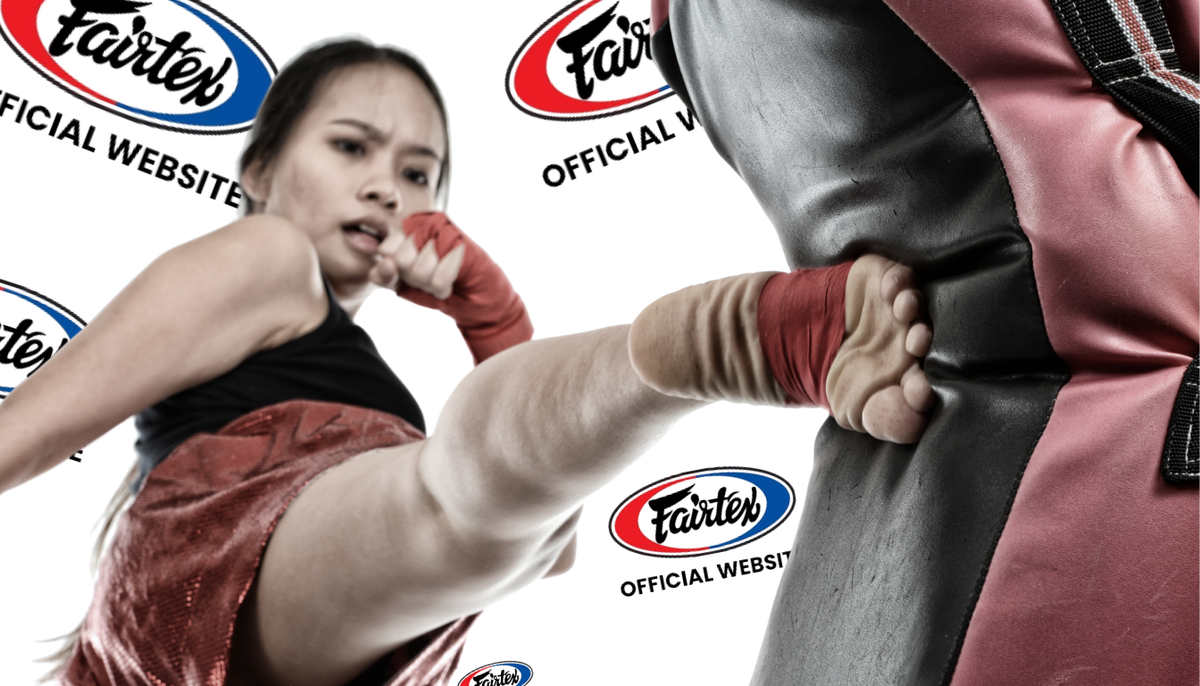
Teep (push kick): This is your jab of the legs. Lift the knee, flex the foot, and push through the ball of the foot—hips driving slightly forward, shoulders leaning back to counterbalance. Aim at the belt line or thigh to stop advances. A clean teep ruins your opponent’s timing and keeps you safe without trading leather.
Kicks and Checks: Power with Protection
Round kick (tae): Step out 30-45 degrees with your lead foot, pivot on the ball, and swing your hip like a bat—shin landing through the target. On impact, your rear shoulder whips through, rear hand drops a touch for balance (not a big windmill), lead hand guards the face. Kick through the target and recoil fast to stance.
Checking kicks: Lift your knee outward, shin vertical, toes pulled up. Angle your check so the outer shin meets their kick. Keep your hands up—too many beginners drop both hands when they check and eat a punch for it.
Elbows and Knees: Sharp, Short, and Devastating
Elbows (ti sok): Slash, horizontal, upward, and spinning variants exist, but start with the basics. Keep your base under you. For the horizontal elbow, step in, rotate hips and shoulders, and cut across with the point of the elbow. Stay tight—elbows aren’t wind-up tools; they’re razors.
Knees (ti khao): From mid-range or clinch, lift your knee on a slight diagonal (not straight up and down), point your toes down, and drive your hip through. Your opposite hand posts or pulls to control the target. Core tight, posture tall—don’t fold at the waist.
What Is Clinching in Muay Thai? Inside Control and Off-Balancing
Clinch work (chern) is where Muay Thai separates itself from kickboxing. You fight for collar ties, biceps control, and inside frames to off-balance, knee, and elbow. Your posture is the spine of your clinch: chin tucked, crown tall, hips close, feet active. You don’t just “hold”—you steer. Small steps and shoulder bumps create angles. You pull the head to one side, knee the open ribs, and pivot them into the ropes. If you’re taller, think spearing long knees; if shorter, think body locks, turns, and sharp elbows as they recover.
Training Drills & Practice Methods

You build Muay Thai with rounds and reps. Technique first, then timing, then pressure. Here are proven drills you can plug into your week to develop sharper weapons without beating up your joints.
Drill 1: The Teep Ladder (Balance, Timing, Control)
3 rounds x 3 minutes. Round 1: 1 left teep every 2 seconds on the bag; focus on clean recoil and staying tall. Round 2: Alternate left/right teep every 3 seconds; add a small step back after each to re-center. Round 3: Pad round—partner calls “in/out” to simulate pressure and retreat. Goal: land 80+ controlled teeps total with minimal wobble. Common cue: “Knee first, foot second.”
Drill 2: Low-Kick to Cross Return (Counter-Kick Rhythm)
4 rounds x 3 minutes with pads. Sequence: check their kick → plant → return low kick → step in cross. Build a metronome rhythm: block, answer, close. Focus on fast recoil after your kick to avoid counters. Add a final teep to exit when partner pressures. Track: 20 clean sequences per round. You’ll feel your balance sharpen by week two.
Drill 3: Clinch Position Rounds (2-on-2 Focus)
6 x 2-minute clinch rounds. Round pairs: (1) single collar tie control; (2) double inside biceps; (3) long guard frame. Start each round in that position, then fight to off-balance and knee. No big slams, focus on turns and posture breaks. Switch partners each round to experience different body types. Wear mouthguard and appropriate headgear if your gym requires it.
Drill 4: Southpaw Entry Series (Angles and Kicks)
3 rounds x 3 minutes on pads. Step outside their lead foot (open side), jab to chest, left kick to arm or ribs. Next minute add jab-cross-left kick; final minute add feint teep to left kick. If you’re orthodox vs southpaw, this teaches that classic Thai move: jab to freeze, body kick to score. Record your rounds and check your hip turn.
Drill 5: Shadow Spar with Scoring Criteria
3 rounds x 3 minutes, solo. Imagine an opponent. Emphasize balance, clean technique, and posture—how Thai judges value scoring. Round 1: long weapons (jab, teep, body kick). Round 2: countering checks and returns. Round 3: closing and clinch entries. Finish with 30 slow knees each side to engrain posture.
Training on the right bag changes your timing and power—our guide to the best Muay Thai bags explains which ones work for drills like this.
Common Mistakes & How to Fix Them
Everyone trips over the same stones early on. That’s normal. Fix the basics and everything else gets easier—and safer.
Mistake 1: Leaning Back on Kicks (Losing Power and Balance)
Why it happens: fear of counters. Fix: keep your sternum stacked over your hips and pivot the supporting foot. Think “hip through, shoulder through.” Train slow kicks on the bag with a three-second chamber and three-second recoil to engrain balance.
Mistake 2: Turning the Clinch into a Hug
Why it happens: no posture or hand fighting. Fix: crown up, elbows tight, inside position first. Pummel for inside biceps, use a short step to one side, snap the head down to that pocket, then knee the open ribs. Drill 60 seconds of hand-fighting before every clinch round.
Mistake 3: Overboxing—Neglecting Kicks and the Teep
Why it happens: boxing feels familiar. Fix: start each round with a kick or teep. Build “kick-first” habits. Pad rounds should include at least one body kick setup per combo. Your shins and hips need reps just like your hands.
Mistake 4: Poor Shin Conditioning (Too Fast, Too Soon)
Why it happens: rushing heavy bag volume. Fix: increase kick volume by 10-15% weekly. Mix hard rounds with form rounds. Ice shins lightly after hard sessions if needed and wear proper shin guards in sparring. Pain is feedback, not a badge of honor.
Mistake 5: Ignoring Defense Under Pressure
Why it happens: tunnel vision on offense. Fix: embed checks, slips, and frames into combinations. Example: jab-cross, frame, step-off, body kick. Score, defend, exit—on repeat.
Competition Rules, Scoring, and Ring Craft (2025)

If you plan to test your skills, know the rules like you know your stance. It keeps you safe, helps you score, and stops avoidable fouls.
Rounds, Time, and Required Equipment
Amateur IFMA bouts are typically 3 x 3-minute rounds (youth may vary), with shinguards and, for juniors, headgear and elbow pads. Professional stadium rules are 5 x 3-minute rounds with elbows allowed and no shinguards. Check promotion specifics at weigh-ins—glove weight, groin protection, mouthguard, and appropriate attire are non-negotiable.
Legal vs. Illegal Techniques
- Legal: Punches, elbows, knees, and kicks to legal targets; catching kicks (one step to counter); clinch knees and elbows; dumps and off-balances without spiking.
- Illegal: Headbutts, strikes to the back of the head/neck, grabbing the ropes to attack, hip throws or suplex-style slams, scissor takedowns, stomps, small joint manipulation, and striking a downed opponent.
How Judges Score—Practical Cues
- Effect and Balance: Clean body kicks and knees that move the opponent score big. If you land then stumble, you lose value.
- Ring Control: Owning distance with the teep, turning in clinch, and exiting on balance shows dominance.
- Defense: Checks, parries, and catches that blunt attacks matter. Block-and-return beats trading wild.
- Clinch Work: Posture, turns, and visible impact knees win exchanges. Just holding is negative.
Fouls, Warnings, and Safety
Referees will warn, deduct points, or stop the bout for repeated fouls. If you catch a kick, counter within one step or release. When the ref calls “break,” stop striking and take a clean step back with your hands up. It’s professional, and it keeps you safe.
Advanced Technique Additions: Switch Attacks, Catches, and Dumps

Once your base is steady, add these staples that define Thai-style ring craft. They’re high percentage, judge-friendly, and built for control.
The Switch Kick and Switch Knee
The switch lets you load the hip without telegraphing. Think quiet feet and fast hips, not big hops.
- Setup: From orthodox, make a micro-switch—lead foot back, rear foot forward—heels light, hands tight.
- Strike: Whip the new rear leg like a standard body kick. For the knee, drive straight with toes pointed down, posture tall.
- Cues: “Quiet switch, loud hip.” Keep shoulders level so your guard stays honest.
- Exit: Land forward into stance or pivot off to your open side to deny the return.
Catching Kicks: Returns, Dumps, and Safety
Kick catches win exchanges when done under control. Eyes up, spine tall, and move your feet before you counter.
- Catch: As the body kick lands, absorb on your forearm, wrap under the shin with your far arm, and step your hips in.
- Return: Options: cross to head/body, low kick the standing leg, or walk them two small steps then sweep.
- Safety: Keep your head off the centerline and elbow tight to avoid elbows on the catch.
- Rule Note: Most officials allow one step with a caught kick—counter immediately or release.
Sweeps and Dumps from Clinch
Dumps score for control and break rhythm. No big slams—think turns, trips, and posture breaks.
- Turn-and-Dump: From double inside biceps, pull their right elbow across while your right foot steps outside. Rotate your shoulders, bump with your hip, and guide them down while you stay standing.
- Knee-to-Trip: Fake a left knee; as they brace, step your left foot behind their right heel and turn them over that point.
- Posture First: Crown up, hips close. If your head drops, you’ll get reversed.
Training Templates You Can Use This Week
Plug these into your schedule. Technique first, timing second, pressure last. Keep notes and nudge volume up ~10% weekly if you’re pain-free.
8-Week Beginner Base (3 Days/Week)
- Day A: Shadow 3 x 3; bag 5 x 3 (Round 1 teep, 2 body kicks, 3 checks/returns, 4 punches-to-kick, 5 knees); core 10 minutes.
- Day B: Pads 4 x 3 (kick-first combos); clinch hand-fighting 10 minutes; technical spar 3 x 2 (light, coach-led themes).
- Day C: Footwork and balance 15 minutes; switch kick mechanics 4 x 2; conditioning 6 x 200 m easy runs or assault bike 6 x 30/30.
- Milestones: Week 4 add 1 clinch round; week 6 add 1 pad round; week 8 film and review body kick mechanics.
12-Week Amateur Fight Camp Skeleton
- Weeks 12–9 (Build Base): 5 sessions/week; pads 4–5 x 3, bag volume 200–300 kicks/week, easy roadwork 3 x 30 minutes, light clinch.
- Weeks 8–5 (Pressure & Sparring): Add hard pads 2 days, situational spar 2 days (themes: body kick score, fence exits), clinch 5–6 x 2-minute rounds twice/week.
- Weeks 4–2 (Sharpen & Strategy): Partner drills for scoring patterns, full rules spar 1–2 times/week, weight on point, recovery emphasis.
- Week 1 (Taper): Reduce volume 40–50%, keep speed, finalize ring walk and corners. Sleep and hydrate like it’s your job.
Equipment Setup and Care
Good gear protects your weapons and your partners. Set it up right and keep it clean—Thai gyms take hygiene seriously.
Hand Wrap Fundamentals (5-Minute Method)
- Anchor: Loop on thumb, wrap wrist 3–4 times snug, not choking.
- Knuckles: Build a 3–4 layer pad over the knuckles; flatten it with your palm.
- X Pattern: Figure-eight through hand—back of hand to palm—2–3 cycles to lock the pad.
- Between Fingers: One pass between index–middle and middle–ring to prevent bunching.
- Finish: Secure wrist and thumb; check you can make a tight fist with full blood flow.
If you want to understand which companies produce reliable gear, check our list of the best Muay Thai brands.
Shinguards, Gloves, and Hygiene
- Fit: Shinguards should cover mid-shin to top of instep without gaps. Gloves: most adults spar in 14–16 oz; bag gloves can be lighter if your wrists are supported.
- Care: Air-dry gloves and guards after training; wipe salt and sweat; rotate gear to prevent breakdown.
- Hygiene: Fresh wraps each session, wipe mats when asked, and bring a towel and dry shirt. Your partners will thank you.
If you’re buying your first pair, start with our comparison of the best beginner boxing gloves.
Safety and Injury Prevention Essentials
Training hard shouldn’t mean training hurt. Build durable habits early.
Shins, Knees, and Ankles
- Progress Kicks: Increase total kicks 10–15% weekly; alternate power rounds with form rounds.
- Landing: On knees, point toes down and keep posture tall to avoid jamming the patella.
- Ankles: Strengthen with calf raises and balance holds; tape only if prescribed—fix the root, not just the symptom.
Sparring and Head Safety
- Intensity: Technical spar means 30–50% power with agreed rules; save hard rounds for coach-approved days.
- Symptoms: If you feel dizzy, nauseous, or “foggy,” stop and tell your kru. Seek medical guidance before returning.
- Defense First: Drill exits, frames, and checks until automatic—prevention beats any mouthguard.
Beginners and fighters should read our breakdown of the best boxing mouth guards to choose one that fits securely under pressure.

Frequently Asked Questions
What is Muay Thai fighting, in simple terms?
It’s a stand-up striking art from Thailand using punches, elbows, knees, and kicks—plus the clinch for control and knees. You’ll see balanced stances, a strong emphasis on body kicks and teep, and a scoring philosophy that rewards visible effect, balance, and ring control. Compared to pure boxing or kickboxing, you’ll clinch more, knee more, and build your game around posture and timing.
What country is Muay Thai from?
Thailand. The art developed over centuries, moving from battlefield influences to ring sport. Modern rulesets were standardized through Thai stadiums and later international bodies like IFMA (International Federation of Muaythai Associations) and WMC (World Muaythai Council), which help define competition standards worldwide today.
What is the difference between Muay Thai and kickboxing?
Two big differences: clinch and scoring emphasis. Muay Thai allows extended clinching with knees and elbows, and judges value balance, posture, and body kicks heavily. Most kickboxing rules limit clinch time and elbows, pushing higher boxing volume and low kicks. So, Thai fighters often look more upright, kick the body and arms for score, and control fights with teep and clinch.
What is Muay Thai kickboxing—is it the same thing?
People sometimes say “Muay Thai kickboxing” casually, but they’re not identical. “Kickboxing” is a broader category with varied rules (K-1, Glory, etc.). Muay Thai is its own art with elbows, clinch, and different scoring. If a gym offers “Muay Thai kickboxing,” ask what rules and techniques they teach—look for clinch, elbows, and Thai-style kicking mechanics.
What is clinching in Muay Thai, exactly?
Clinch is controlled close-quarters striking and grappling—think hand fighting, posture breaking, off-balancing, knees, and elbows. You fight for inside frames, neck ties, and body locks to create angles for clean knees. Good clinchers don’t just squeeze; they move your feet, turn your shoulders, and attack on the breaks.
What is a kru in Muay Thai?
A kru is your teacher. More than a coach, a kru passes on technique, culture, and values of the art. You show respect with a small bow, a “Wai,” and disciplined training. A good kru corrects your basics—stance, guard, and balance—long before adding flash. That foundation keeps you safe and helps you progress faster.
How do Thai judges score fights?
They look for effective technique with visible impact, balance, ring control, and defense. Clean body kicks and knees that move the opponent score well. If you kick and get dumped or stumble, that hurts your score. IFMA and WMC materials outline these criteria, and most reputable promotions follow similar principles in 2025.
Can beginners start without prior experience?
Absolutely. Start with two to three sessions per week for the first month, focusing on stance, teep, checks, and the round kick. Add padwork and light technical sparring as your form improves. Expect 8–12 weeks to feel comfortable and a year to build a solid base—faster with consistent drilling and good coaching.
How often should I train to improve steadily?
Three to four Muay Thai sessions weekly works for most adults with jobs and families. Add one strength session for posterior chain and core, and keep one recovery day. Track kicks, teeps, and clinch rounds weekly—if volume climbs by ~10% per week without nagging pain, you’re on a good path.
Is Muay Thai safe?
Like any combat sport, it carries risk. You can reduce it with proper coaching, gradual progression, mouthguard and shinguards in sparring, and smart recovery. Technique before power—always. If you feel sharp joint pain, stop and ask your kru. For persistent swelling, numbness, or dizziness, see a sports medicine professional.
What gear do I need to start?
Hand wraps, 14–16 oz gloves, shinguards, mouthguard, and breathable training clothes. If your gym does clinch, consider elbow sleeves and a soft headgear if required. Bring a towel and dry shirt—hygiene matters in Thai gyms. Replace gear when padding compresses or straps fail—wrist support and shin protection are non-negotiable.
If you also train no-gi or MMA rounds, here’s our guide to the best MMA gloves.
What’s a realistic path to my first fight?
With consistent training, many reach amateur debut readiness in 9–18 months. You’ll need clean basics, roadwork conditioning, mental preparation, and plenty of controlled sparring and clinch rounds. Your kru will tell you when you’re ready. Trust that process—it’s about safety, not ego.
Rounds, Time, and Required Equipment
Amateur IFMA bouts are typically 3 x 3-minute rounds (youth may vary), with shinguards and, for juniors, headgear and elbow pads. Professional stadium rules are 5 x 3-minute rounds with elbows allowed and no shinguards. Check promotion specifics at weigh-ins—glove weight, groin protection, mouthguard, and appropriate attire are non-negotiable.
Fouls, Warnings, and Safety
Referees will warn, deduct points, or stop the bout for repeated fouls. If you catch a kick, counter within one step or release. When the ref calls “break,” stop striking and take a clean step back with your hands up. It’s professional, and it keeps you safe.
The Switch Kick and Switch Knee
The switch lets you load the hip without telegraphing. Think quiet feet and fast hips, not big hops.
Catching Kicks: Returns, Dumps, and Safety
Kick catches win exchanges when done under control. Eyes up, spine tall, and move your feet before you counter.
Sweeps and Dumps from Clinch
Dumps score for control and break rhythm. No big slams—think turns, trips, and posture breaks.
How many rounds should I be comfortable with before sparring?
If your stance holds under fatigue for 6–9 total rounds (shadow, bag, and pads combined) and you can throw 50 balanced body kicks each side without form breaking, you’re ready for light, coach-led technical sparring. Start with 2–3 rounds of 2 minutes at 30–50% power, with a clear theme (e.g., jab and teep only, or kick-first entries). Build to 4–6 rounds over 4–6 weeks. If you lose balance or forget your guard, dial intensity down and reset. Sparring is for learning, not proving toughness.
How can I train clinch if my gym has limited clinch days?
Do solo posture rounds: 3 x 2 minutes of tall crown, hips in, hand-fighting motions against a wall or suspended towel. Add resistance bands for neck isometrics (front/side holds 3 x 20–30 seconds). On bag, simulate entries: frame, step-in, two long knees, quarter turn, repeat for 3 x 3. Grab a partner post-class for 5 minutes of pummeling—inside biceps to collar tie trades—no hard knees, just turns and posture breaks. Consistency beats volume; 10 minutes, three times a week compounds fast.
Scoring Body-Kick Progression (Pad or Bag)
Build a body-kick that judges love—clean, balanced, and obvious.
Fighter Reference: Dieselnoi and the Lesson of Posture
Watch Dieselnoi Chor Thanasukarn work in the clinch—tall crown, hips glued, relentless long knees. He didn’t rush; he removed your balance, then scored. Steal that: keep your head higher than theirs, step them into knees, and turn before they can plant. It’s simple, ruthless Muay Thai.
Key Takeaways
- Muay Thai is Thailand’s art of eight limbs—punches, elbows, knees, and kicks—with clinch as a defining feature.
- Balance, posture, and timing win fights; the teep and body kick are pillars of control and scoring.
- Progress faster with structured drills: teep ladders, check-and-return rhythms, and clinch position rounds.
- Stay safe: technique before power, gradual shin conditioning, and appropriate protective gear.
Final Thoughts
Muay Thai rewards patience and honest work. You don’t need to be flashy. You need a stable stance, a stubborn guard, a reliable teep, and a kick that lands with hip and intent. Add clinch posture and a few smart counters and you’ll feel the art click—first in drills, then in sparring, and, if you choose, under the lights.
This week, pick one focus: 300 teeps, 300 body kicks, and three clinch rounds. Keep a small notebook: note balance, recoil, and posture each session. In a month, compare your first entry. You’ll see it—the stance is quieter, the kick lands heavier, and you’re controlling space with purpose. That’s Muay Thai working its way from technique to instinct.
About This Training Approach
These methods reflect traditional Thai camp fundamentals paired with modern coaching standards from respected bodies like IFMA and WMC. Camps with long heritage—such as Fairtex, developing fighters and equipment since 1971—model how systematic drilling, strong clinch education, and evidence-based conditioning produce durable, well-rounded athletes without skipping the basics.
Last Updated: November 2025