
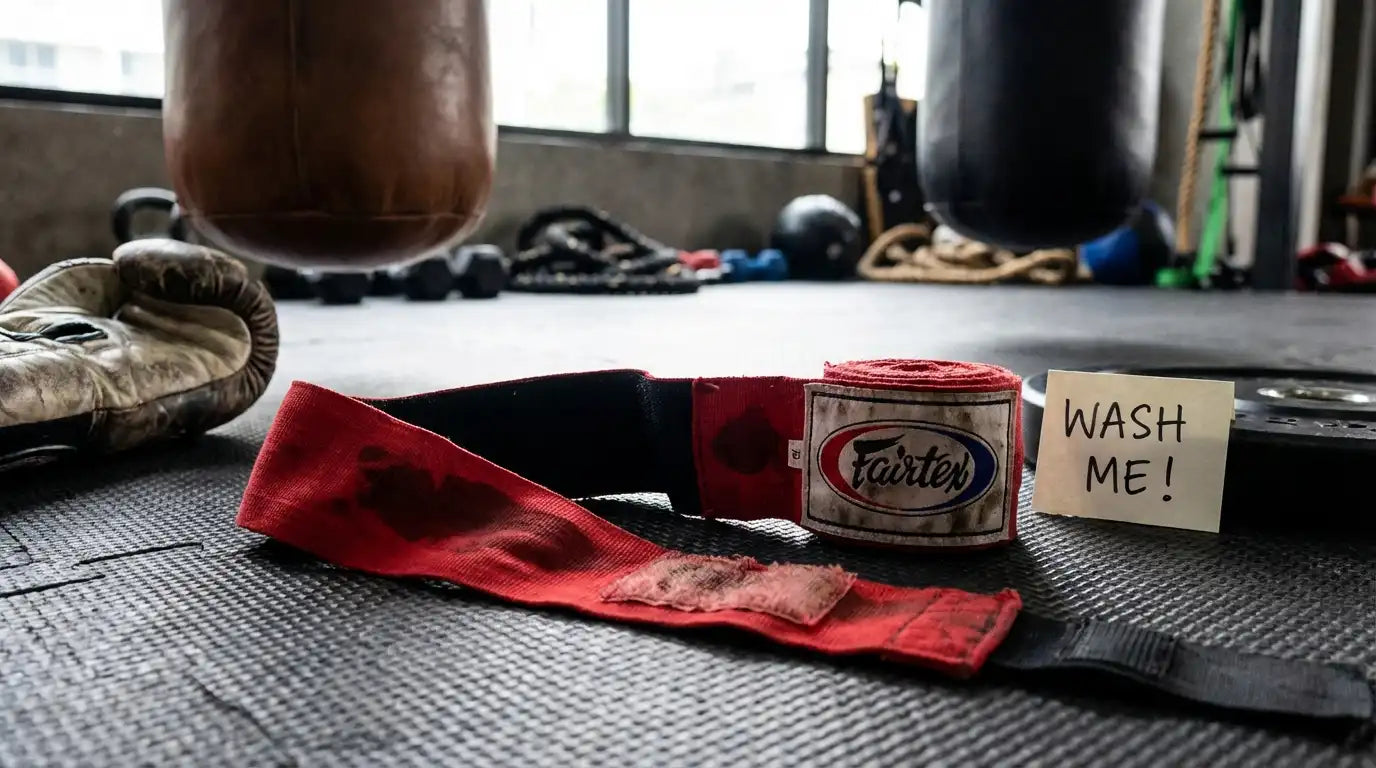
You finish pad rounds, peel your gloves off, and your hands feel good. Then you unwrap your wraps and that hit of sweat and funk tells you the truth: your wraps did their job, but now you need to do yours. From years of gym experience, the wraps you wash consistently stay softer, hold their shape better, and keep your gloves from turning into a science project.
Here’s the thing: hand wraps are not “optional laundry.” They sit tight against your skin, soak up sweat, and trap bacteria if you stuff them back into a bag wet. This guide breaks down exactly how to wash hand wraps, when you can use a washing machine, how to dry them without stretching them out, and the small habits that keep them fresh between sessions.
Why Washing Hand Wraps Matters
Hand wraps protect your knuckles, align your wrist, and reduce friction inside the glove. But they also absorb sweat, skin oils, and whatever’s living in the lining of your gloves. If you skip washing, that buildup stiffens the fabric and makes wraps feel “crunchy,” which is a real comfort and performance problem during long rounds.
The reality is: odor is not just smell. It is a sign the wraps stayed wet too long, which creates the perfect environment for bacteria. Clean wraps also help your gloves last longer, because the wraps act like a sweat filter inside the glove.
How often should you wash hand wraps?
If you train hard, wash them after every session. If you did a light technical session and barely broke a sweat, you can sometimes get away with one extra use, but it is still not a habit I recommend. What most fighters overlook is that wraps dry slowly when stuffed in a bag, even if they “feel” dry on the outside.
The 2-Minute Routine Right After Training
Before we talk about machine wash or hand wash, fix the biggest mistake: leaving wraps balled up. That is where the smell starts.
Do this before you even leave the gym
- Unroll your wraps fully as soon as you are done and lay them out or hang them.
- Let them air out for at least 30 to 60 minutes before they go into a laundry bin.
- If you use a gym bag, keep wraps in a breathable pocket or a separate mesh pouch.
Consider this: if you do nothing else, simply drying them fast after training cuts odor more than any “miracle” detergent.
Can You Put Hand Wraps in the Washing Machine?
Yes, most hand wraps are machine washable. That includes traditional cotton wraps and many elastic-style wraps, as long as you use the right settings. The key is protecting the Velcro and stopping the wraps from turning into a knot that eats your washer.
How to wash boxing hand wraps in the washing machine
Use a cold or warm cycle and keep it gentle. Hot water can shrink cotton and can break down elastic faster over time. Always secure the Velcro so it does not grab other items.
- Close the Velcro and roll the wraps into a loose coil.
- Put them in a mesh laundry bag or a pillowcase tied shut.
- Wash on gentle, cold to warm water.
- Use mild detergent, skip fabric softener.
What to avoid
Do not wash wraps with towels if your Velcro is exposed, it will snag. Avoid bleach unless you are dealing with a specific hygiene issue and you are willing to shorten the life of the fabric.
Now, when it comes to elastic wraps, be extra cautious with heat. Fairtex makes elastic options like the Fairtex HW4 Elastic Hand Wraps, built with a polyester and rubber blend and ventilation holes for breathability. Elastic holds up well, but repeated hot cycles are still one of the fastest ways to lose that snug, supportive feel.
How to Hand Wash Boxing Hand Wraps (Fast and Safe)
Hand washing is the safest method if you want to control water temperature and reduce wear on stitching and Velcro. It is also great when you are traveling for fights and only have a sink.
Quick hand-wash method (10 minutes)
- Fill a sink or bucket with cool to lukewarm water.
- Add a small amount of mild detergent and mix.
- Soak wraps for 5 to 10 minutes, then gently rub the fabric against itself in sweaty areas.
- Rinse until water runs clear.
- Press out water, do not twist hard like you are wringing a towel.
If your wraps are classic cotton, this method keeps them soft and helps them keep their shape. Fairtex cotton wraps like Fairtex Handwraps HW2 are designed to be soft, flexible, breathable, and they conform to your hand shape. That comfort lasts longer when you wash gently and dry correctly.
Odor reset soak (when wraps smell “stuck”)
If the wraps already have that deep odor, a longer soak helps. Use cool water and mild detergent, then rinse thoroughly. The main goal is to remove residue and sweat salts that keep bacteria thriving.
Drying: How to Prevent Stretch, Shrink, and Odor
Drying is where most wraps get ruined. Fighters wash their wraps correctly, then toss them into a hot dryer and wonder why they feel short, stiff, or stretched out.

Best way to dry hand wraps
Air dry whenever possible. Hang them fully extended or drape them over a drying rack so air can move across the fabric. If you live somewhere humid, aim a fan at them.
- Air dry in a ventilated area, not in a closed bathroom.
- Keep them out of direct harsh sunlight for long periods, which can fade colors and dry out fibers.
- If you must use a dryer, use low heat and remove them early.
Do not store wraps until they are completely dry. Even slightly damp wraps will smell again inside your bag. That smell transfers into glove lining fast.
How to keep wraps from tangling while drying
Clip one end to a hanger and let the length hang straight. You can also drape them in a wide “S” on a rack. When they are dry, roll them neatly with the Velcro tab secured, so they are ready for the next session.
How to Make Hand Wraps Last Longer
Wraps do not fail from punching. They fail from sweat, friction, and bad laundry habits.

Small habits that extend wrap life
Rotate two to three pairs. That gives each set time to dry fully and reduces how often you rush a wash. If you train daily, this is one of the simplest gear upgrades you can make.
Also, watch how you wrap. If your wraps are always slipping, you may be over-stretching them each session, especially with elastic wraps. Firm is good. Cutting off circulation is not.
Match the wrap type to your training
For traditional wrapping and a classic feel, cotton wraps are a staple. For fighters who want a little more give and a very snug wrist, elastic wraps can feel more “locked in.” If you want to compare options, browse the Fairtex Hand Wraps collection and choose based on the support feel you like, not just color.
From a gym perspective, I also like quick wraps for certain sessions because they are fast and comfortable. Fairtex HW3 Quick Wraps include padded sponge on the backhand and a wrap-around thumb design for extra firmness. Just remember they still need washing like any wrap.
Deep Odor Removal (Vinegar, Baking Soda, and When to Use Them)
Most wrap odor problems come from one thing: moisture that sits too long. Fixing your drying routine usually solves it. But if you have wraps that smell clean for an hour and then come back strong as soon as you start sweating, you need a deeper reset that removes the residue holding odor.
Option 1: Vinegar rinse for stubborn funk
White vinegar is useful because it helps break down buildup and neutralize odor. Keep it conservative so you do not leave a lingering smell.
- After a normal wash, do a quick rinse in cool water with a small splash of white vinegar.
- Rinse again with clean water so you do not leave vinegar in the fabric.
- Air dry fully in a ventilated area.
If you do this, do it occasionally, not every wash. Your goal is to reset wraps that are already “stuck,” not to turn laundry into a chemistry experiment.
Option 2: Baking soda soak for sweat-salt buildup
Baking soda can help when wraps feel stiff from sweat salts or when odor keeps returning. Use cool water, dissolve it completely, then rinse thoroughly.
- Fill a sink with cool water and dissolve a small amount of baking soda.
- Soak 30 to 60 minutes, then rinse until the water runs clear.
- Wash once normally with mild detergent if you feel any residue, then air dry.
What not to do
Do not cover odor with heavy fragrance or fabric softener. It feels good for a day, then the wrap starts holding more residue and you are back where you started. Keep it simple: clean, rinse, dry fast.
Common Washing Mistakes That Ruin Wraps
Wraps are simple gear, but small mistakes add up fast. If your wraps keep shrinking, losing support, or turning rough, it is almost always one of these.
Leaving the Velcro open
Open Velcro is a snag machine. It grabs other clothing, it chews up the wrap edge, and it turns a normal wash into a tangled mess. Close it every time, even if you are hand washing.
Using hot water or high heat drying
Heat is what changes wrap feel. Cotton can shrink and get stiff. Elastic can lose snap and stop giving you that firm wrist lock. If you want wraps to stay consistent session to session, keep water cold to warm and dry them with air and patience.
Overloading the washer
If your wraps are in a jam-packed load, they do not rinse well, and leftover detergent can make them feel slick and uncomfortable inside your gloves. Give them space to move, and rinse thoroughly.
Storing wraps damp, even “a little”
This is the fastest way to make wraps smell permanent. If you are in a hurry, take them out, unroll them, and let them finish drying in open air. Even five percent damp becomes one hundred percent funk inside a closed bag.
When to Replace Your Wraps
Washing extends life, but nothing lasts forever. Replace wraps when they stop doing their job.

Signs it is time
- Velcro no longer sticks securely.
- Fabric has thin spots, holes, or major fraying.
- The wrap has stretched so much you cannot get firm wrist support anymore.
- The odor returns immediately even after washing and full drying.
What most fighters overlook is wrist support. If you can no longer build a stable “cast” around your wrist, you are one bad punch away from a sprain. Wraps are cheap compared to time off training.
Frequently Asked Questions
How to wash hand wraps without them getting tangled?
Close the Velcro first, then coil the wrap into a loose roll and put it in a mesh laundry bag or tied pillowcase. That keeps the wraps from turning into a knot and protects the Velcro from grabbing other clothing. After washing, unroll them and hang them fully extended to dry. Tangling usually happens when wraps free-float in the washer with the Velcro open.
Can you wash hand wraps in the washing machine?
Yes, most hand wraps are machine washable. Use a gentle cycle with cold to warm water, mild detergent, and skip fabric softener. Always secure the Velcro and use a mesh laundry bag. High heat and aggressive cycles can shrink cotton wraps and wear out elastic wraps faster, so keep the settings conservative and focus on thorough drying afterward.
Can you put boxing hand wraps in the washing machine with other clothes?
You can, but be careful. If the Velcro is not secured, it can snag shirts and towels, and you will end up with pulled threads. I recommend washing wraps with other gym items only if they are inside a mesh laundry bag and the Velcro is closed. If your wraps are especially sweaty, wash them with similar “dirty gym” items, not with everyday clothes.
Are hand wraps machine washable if they are elastic?
Most elastic wraps are machine washable, but heat is the enemy. Elastic fibers can lose snap over time if you wash hot or use a hot dryer. Use cold to warm water and air dry for best results. If you like the snug support of elastic wraps, protect that feel by avoiding high heat and by not over-stretching them when you wrap.
Do you wash hand wraps after every use?
If you sweat a lot, yes, wash them after every session. Wraps sit directly on your skin, absorb sweat, and then get stuffed inside gloves, which are warm and slow to dry. That combination creates odor fast. At minimum, fully unroll and air them out immediately after training. If you train daily, rotating two to three pairs makes it easy to wash consistently.
How do you clean boxing hand wraps if they smell bad?
Start with a full wash and a complete air dry. If the smell is “baked in,” do a longer soak in cool water with mild detergent, then rinse until the water runs clear. The goal is removing sweat salts and residue that hold odor. Do not mask odor with heavy fragrance or fabric softener, because buildup can trap smell and make wraps feel slick inside gloves.
Can you dry hand wraps in the dryer?
You can, but it is not ideal. High heat can shrink cotton wraps and reduces the life of elastic wraps. If you use a dryer, choose low heat and remove them before they get overly hot, then finish air drying. Air drying is the safest method and also helps keep wraps from coming out stiff. Most wrap odor problems come from drying too slowly, not from washing.
How many pairs of hand wraps should you own?
Two pairs is the minimum if you train regularly. Three pairs is better if you train multiple days a week, because you can rotate and always have a dry set ready. This also prevents the common mistake of re-wrapping with damp wraps or rushing drying inside a closed gym bag. If you are sparring and doing pads often, extra pairs are a smart hygiene move.
Can you use vinegar or baking soda to wash hand wraps?
Yes, but use them as occasional reset tools, not as your everyday routine. A small amount of white vinegar in a rinse can help neutralize stubborn odor, and a baking soda soak can help with sweat-salt buildup. Rinse thoroughly afterward and air dry completely. If you overdo additives, you risk leaving residue in the fabric, which can make wraps feel rough or slippery inside gloves.
Why do my hand wraps still smell after washing?
Usually it is one of three things: the wraps did not dry fully, detergent residue did not rinse out, or the odor is coming from your gloves and transferring back into the wraps. Fix it by unrolling wraps to dry faster, rinsing thoroughly, and keeping gloves aired out between sessions. Wraps are a sweat filter, but they cannot keep your gear fresh if everything is stored damp.
Is bleach safe for washing hand wraps?
Bleach can disinfect, but it is hard on fabric and can shorten the life of wraps fast, especially if you use it often. If you choose to use it for a specific hygiene issue, keep it diluted, rinse thoroughly, and expect the wraps to wear out sooner. For most fighters, consistent washing, full drying, and the occasional odor reset soak is a better long-term approach.
Can I machine wash Fairtex HW3 Quick Wraps?
Most quick wraps can be washed, but treat them gently. Use a mesh laundry bag, cold to warm water, and a gentle cycle, then air dry fully. Because quick wraps have padded material, drying matters even more. If you store them damp, the padding holds moisture longer than a thin cotton wrap.
Key Takeaways
- Wash wraps after every hard session, and always unroll them immediately after training.
- Yes, you can machine wash hand wraps, secure the Velcro and use a mesh laundry bag.
- Air drying is best, heat is what shrinks cotton and kills elastic.
- Odor control is mostly about fast drying and not storing wraps damp in your bag.
- Replace wraps when Velcro fails, fabric thins, or wrist support is no longer firm.
Conclusion
Clean wraps are part of being a serious training partner, not just for yourself, but for everyone sharing pads, gloves, and gym space. If you keep one habit, make it this: unroll your wraps and dry them right after training. That single step prevents most odor and keeps the fabric feeling comfortable on your knuckles and wrist.
If you want to see different wrap styles, explore the Fairtex Hand Wraps collection and pick the feel that matches your training, classic cotton support or elastic snugness. When your wraps stay fresh, your gloves stay fresher too, so it is worth building the routine and sticking to it.