
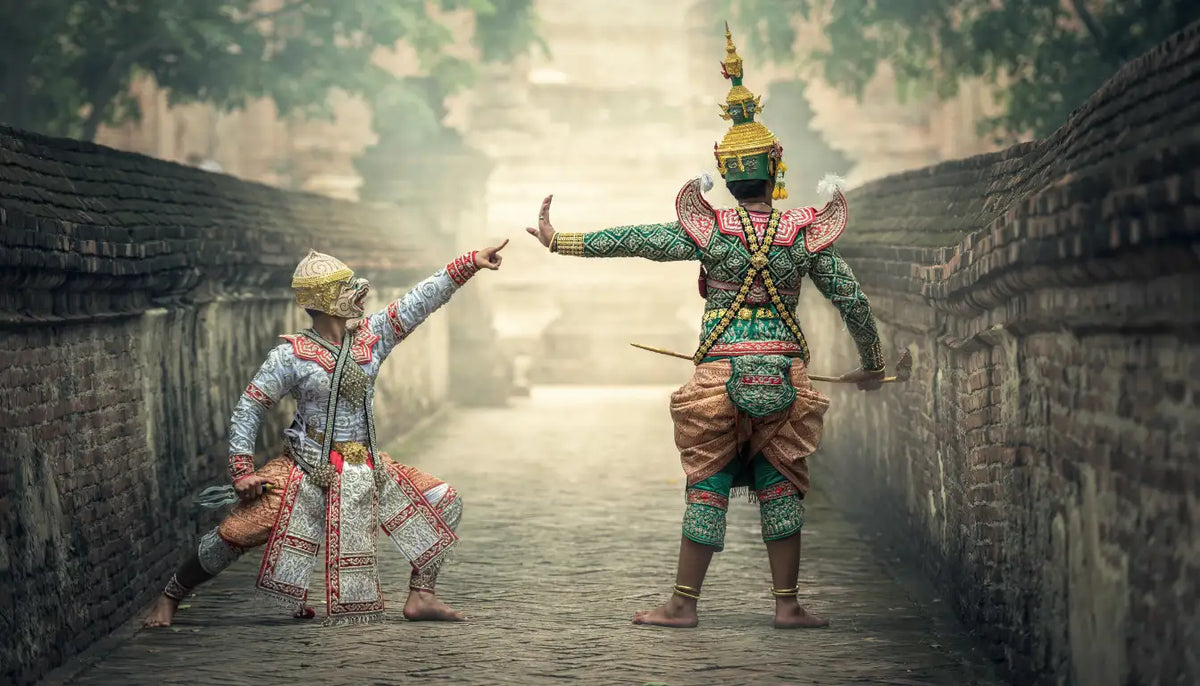
Cultural Significance of Muay Thai: More Than Just a Fight
Picture a packed stadium in Bangkok. The smell of incense lingers, the sarama music starts, and two fighters circle each other, their arms raised in a slow ritual dance. You’re not just watching a sport. You’re witnessing Muay Thai culture in motion — a living blend of history, spirituality, and national identity.
When people outside Thailand hear “Muay Thai,” they often think of tough training camps, sharp elbows, and knockout kicks. But inside Thailand, Muay Thai carries a much deeper meaning. It’s tied to stories of war and survival, Buddhist beliefs, village festivals, temple fairs, and the bond between student and teacher. If you’ve ever wondered what Muay Thai really means beyond the ring, you’re in the right place.
This article explores where Muay Thai originated, how its traditions formed, why rituals like the wai kru matter, and what Muay Thai spirituality looks like today. Whether you train, plan to visit Thailand, or are simply curious, you’ll come away with a clearer understanding of why Muay Thai is often called the “art of eight limbs” — and the heart of a nation.
Table of Contents
- What Does Muay Thai Really Mean?
- Where Did Muay Thai Originate?
- Core Muay Thai Traditions and Rituals
- Muay Thai Spirituality and Belief
- The Role of the Kru: Teacher, Mentor, Guardian
- Muay Thai in Modern Thailand and Worldwide
- How to Respect Muay Thai Culture as a Practitioner
- Frequently Asked Questions
- Key Takeaways
- Final Thoughts
- Sources & Cultural Note
What Does Muay Thai Really Mean?

Start with the words themselves. In Thai, “Muay” roughly means “boxing” or “fighting,” while “Thai” refers to the Thai people and the Thai nation. So at the simplest linguistic level, the Muay Thai meaning is “Thai boxing.” But if you stop there, you miss most of the story.
Muay Thai as the “Art of Eight Limbs”
Globally, Muay Thai is known as the “art of eight limbs.” That refers to how fighters use fists, elbows, knees, and shins — eight striking points instead of the two in Western boxing. This description captures the technical side but only hints at the cultural layers underneath: discipline, endurance, and a code of conduct rooted in Thai values of respect and humility.
Respect also means preparing correctly — something as simple as choosing the best boxing mouth guard shows professionalism and awareness of gym culture.
Muay Thai as National Identity
In Thailand, Muay Thai is often described as a national art. It appears in school events, national festivals, tourism campaigns, and even in how history is taught to children. When Thais talk about Muay Thai, they’re often talking about bravery, loyalty to the nation, and the resilience of their ancestors. So when you ask, “What does Muay Thai mean?”, many Thais will answer not with a dictionary definition, but with stories of legendary fighters and the spirit of the Thai people.
Muay Thai as a Social Ladder
For many young fighters, especially from rural areas, Muay Thai represents opportunity. It’s a path to support family, gain respect, and sometimes travel the world. That social dimension is central to Muay Thai culture: it’s not just a hobby; it can be a livelihood and a way to change one’s life.
Where Did Muay Thai Originate?

You’ll often hear that Muay Thai is centuries old, but where did Muay Thai originate exactly? The true origin is woven into the early history of Thailand, when the region was known as the Ayutthaya Kingdom (14th–18th centuries).
From Battlefield to Boxing Ring
Originally, Muay Thai was a form of unarmed combat used by soldiers when they lost their weapons. Techniques were designed for survival — striking vital points, using elbows and knees at close range, and remaining effective even when exhausted or injured. Over time, this battlefield skill evolved into organized contests held at festivals and temples, slowly transforming into the Muay Thai we recognize today.
The Legend of Nai Khanom Tom
A famous story tied to Muay Thai traditions is that of Nai Khanom Tom, an 18th-century fighter captured by the Burmese. According to legend, he defeated several Burmese boxers in a row, impressing the Burmese king so much that he was granted his freedom. Whether every detail is historically accurate or not, this story is retold to highlight courage, national pride, and the spiritual strength associated with Muay Thai.
From Muay Boran to Modern Muay Thai
Before rules, gloves, and referees, there was Muay Boran, a term now used to describe older, more traditional forms of Thai fighting arts. Fighters wrapped their hands with hemp (*kard chuek*), and rules were minimal. In the 20th century, Muay Thai adopted boxing rings, timed rounds, and gloves, influenced by Western boxing. Yet even as it modernized, the art kept its ritual and spiritual elements. This balance between old and new is at the heart of Muay Thai traditional culture.
When you start practicing clean, balanced body kicks, pairing technique with the best Muay Thai shin guards helps you train safely while keeping your form sharp.
Core Muay Thai Traditions and Rituals
When you watch a Muay Thai bout in Thailand, the fight is only one part of the experience. Muay Thai traditions surround every stage — from the moment the fighter steps into the ring to the final bow of respect.
The Ram Muay and Wai Kru
Before each fight, you’ll see a slow, graceful ritual called the wai kru ram muay. This has two parts:
- Wai Kru: A series of bows and gestures to pay respect to teachers, parents, and sometimes the King and nation.
- Ram Muay: A personalized dance-like sequence that can reflect a fighter’s gym, region, or even story.
This ceremony embodies Muay Thai culture. It reminds everyone that the fight is not about anger; it’s about respect, lineage, and gratitude. Fighters don’t skip it — even the toughest knockout artists perform their Ram Muay with full focus.
Mongkhon and Prajiad: Sacred Symbols
Two important items you’ll notice are the mongkhon (headband) and prajiad (armbands). Traditionally, the mongkhon is given by the kru — the Muay Thai teacher — and symbolizes the fighter’s gym, protection, and the knowledge passed down. Prajiad were sometimes made from fabric given by a loved one, serving as a charm for safety and courage. These items are treated with reverence: they’re never placed on the ground or handled carelessly.
Music, Rhythm, and Ring Etiquette
Muay Thai fights are accompanied by live music called sarama or *Pi Muay*. As the pace of the fight increases, the music quickens, almost as if the fighters and musicians are in conversation. Add to this the deep etiquette of the ring: fighters stepping over the ropes in specific ways, always sealing the ring by walking around it, and carefully greeting officials. These gestures all reinforce that the ring is a sacred space, not just a sports arena.
Muay Thai Spirituality: Fighting with Body and Spirit

Ask a Thai fighter before a match what they’re thinking about, and many will mention not just tactics but also merit, karma, and protection. Muay Thai spirituality blends Buddhism, animist beliefs, and local customs in a way that might surprise you if you only know Muay Thai from modern gyms.
Buddhism and Making Merit
Thailand is predominantly Theravada Buddhist, and this shapes everyday life — Muay Thai included. Fighters often visit temples, make offerings, and ask monks for blessings before important fights. Some will wear Buddhist amulets under their shorts or inside their mongkhon. The idea is not that faith “guarantees victory,” but that it supports courage, clarity, and acceptance of whatever outcome comes.
Spirits, Amulets, and Sacred Tattoos
Traditional belief in spirits (*phi*) also plays a role. Many fighters seek protective tattoos called sak yant, often blessed by monks or sacred tattoo masters. These designs can symbolize strength, invincibility, or calm mind. Amulets and charms might be sewn into clothing or carried to the ring. To outsiders, this may look like superstition, but within Muay Thai culture, it’s about aligning body, mind, and unseen forces.
Rituals Before and After Fights
Common rituals include:
- Praying or meditating in the locker room
- Having oil massages with special balms believed to provide warmth and protection
- Performing the wai kru with full concentration, as a kind of moving meditation
These practices show that Muay Thai spirituality is less about formal doctrine and more about lived, everyday rituals that help fighters feel supported, grounded, and connected to something larger than themselves.
The Role of the Kru: Teacher, Mentor, Guardian
To understand Muay Thai culture, you need to understand the kru. So, what is the kru Muay Thai meaning? In Thai, “kru” means teacher, but in Muay Thai it carries far more weight than “coach” does in many Western contexts.
Kru as Teacher and Moral Guide
A kru teaches technique, of course — how to kick, clinch, and defend. But a traditional kru also teaches values: respect, humility, discipline, and loyalty. Many fighters live at their camp from a young age, seeing their kru daily, sometimes more than their own parents. The kru becomes a central figure in their lives, guiding not just their careers but their character.
The Wai Kru: Honoring the Lineage
The wai kru — the act of bowing and showing respect — is literally “greeting the teacher.” When a fighter performs the wai kru in the ring, they’re thanking their kru, but also the “grand-teachers”: past generations of masters who developed the art. You’re seeing a living chain of tradition in that moment, not just a pre-fight warm-up.
Obligations Between Student and Kru
Traditionally, the relationship between student and kru is bound by mutual obligations. The fighter is expected to obey, train hard, and represent the gym with good behavior. The kru is expected to protect the student, provide opportunities, and pass on knowledge honestly. Even fighters who move abroad often keep strong emotional loyalty to their original kru in Thailand. This bond is one of the strongest expressions of tradition in Thailand within the Muay Thai world.
Muay Thai in Modern Thailand and Worldwide
Today, Muay Thai is both a deeply traditional art and a global sport. That creates a tension — and also a fascinating evolution for Muay Thai culture.
Stadiums, Tourism, and Global Fame
Modern stadiums like Rajadamnern and Lumpinee in Bangkok showcase high-level fights several nights a week. At the same time, tourist-oriented shows in places like Phuket and Pattaya offer more theatrical experiences for visitors. Foreign fighters now train long-term in Thailand, and Thai champions compete internationally in promotions around the world. All of this spreads Muay Thai traditions far beyond Thailand’s borders.
Traditional vs. Entertainment Muay Thai
You’ll find a spectrum: from very traditional rural temple fights where rituals and community aspects dominate, to glitzy entertainment events with lights, walkout songs, and hybrid rules. Some purists worry about losing Muay Thai spirituality and etiquette, while others see adaptation as part of the art’s survival. In reality, both streams coexist: one anchored in old customs, the other driving global popularity.
Muay Thai as Cultural Export
Outside Thailand, many gyms try to honor authentic Muay Thai culture by teaching wai kru, explaining the meaning of the mongkhon, and maintaining a respectful, teacher-centered environment. Some elements inevitably change when a tradition travels, but the core — respect, discipline, and the teacher-student bond — remains recognizably Thai when done with care.
Most top gyms blend traditional rituals with modern equipment, guiding new students toward the best Muay Thai gear without losing cultural roots.
Many of the best Muay Thai brands grew from real Thai gyms and fight culture, helping preserve tradition while supporting today’s athletes.
How to Respect Muay Thai Culture as a Practitioner
If you train Muay Thai or plan to, you might wonder how to approach the culture respectfully — especially if you’re not Thai. The answer is simpler than you might think: curiosity, humility, and consistency.
Learn the Meaning Behind the Rituals
Before performing a wai kru or Ram Muay, ask your kru or coach what each part means. Understand why shoes are never worn on the mats, why the mongkhon is handled only by the trainer, or why you bow when entering the ring. Knowing the “why” turns empty gestures into meaningful acts of respect.
Adopt Core Values, Not Just Techniques
Muay Thai isn’t only about strong kicks and sharp elbows. It’s about how you treat training partners, how you handle wins and losses, and how you represent your gym. Showing up on time, listening carefully, keeping ego in check, and helping newer students are all ways to live the culture, wherever you are.
Avoid Cultural Appropriation, Embrace Appreciation
Using Thai symbols, tattoos, or ritual dances without understanding them can feel disrespectful to those who grew up within this tradition. If you want a sak yant tattoo, for example, take time to learn its religious and cultural weight and receive it from someone within that tradition. Appreciation means engaging with Muay Thai culture on its own terms, not just picking what “looks cool.”
Frequently Asked Questions
What does Muay Thai mean beyond “Thai boxing”?
Beyond the literal translation, Muay Thai meaning carries layers of identity, history, and values. For Thais, Muay Thai often symbolizes courage, perseverance, and loyalty to family and nation. It’s closely linked to stories of warriors defending the kingdom and modern fighters supporting their communities. In daily life, Muay Thai is also a social space where kids grow up, friendships form, and local pride is expressed — especially in smaller provincial stadiums and temple fairs, where the whole village might come out to watch.
Where did Muay Thai originate, and how old is it?
Muay Thai originated in the region of present-day Thailand, with roots going back to the Ayutthaya Kingdom (14th–18th centuries) and earlier forms of regional combat. It evolved from practical battlefield techniques used by soldiers when unarmed. Over centuries, these methods were refined into structured training and public contests at festivals and royal events. While exact dates are debated, most historians agree Muay Thai in recognizable form has existed for several hundred years, shaping and being shaped by Thailand’s political and social history.
What are the main Muay Thai traditions I should know?
Key Muay Thai traditions include the wai kru ram muay (respect ritual and pre-fight dance), the wearing of the mongkhon (sacred headband) and prajiad (armbands), the use of live fight music, and strict gym etiquette. Traditional practices also extend off the mat: visiting temples, seeking blessings, and honoring teachers with special ceremonies. Even in modern gyms outside Thailand, you’ll often see simplified versions of these customs. Understanding them helps you connect with the art on a deeper level and shows respect to Thai culture.
How important is spirituality in Muay Thai today?
Muay Thai spirituality varies from fighter to fighter, but it remains very present, especially in Thailand. Many fighters still pray before matches, wear blessed amulets, or receive sak yant tattoos. Trainers may sprinkle holy water or recite chants before big fights. Internationally, some gyms emphasize the sport more than the spiritual side, focusing on fitness and competition. Yet even there, values rooted in Thai culture — respect for the kru, rituals before class, and a sense of discipline — carry a subtle spiritual tone, connecting students to something beyond just physical training.
What is the kru Muay Thai meaning in Thai culture?
The kru in Muay Thai is more than a technical coach. In Thai culture, a kru is a respected teacher figure, almost like a second parent in some cases. The kru guides the fighter’s development, offers life advice, and often helps with financial or personal matters. Fighters owe their kru deep loyalty and gratitude, which is why the wai kru ritual is so important. This relationship reflects a broader tradition in Thailand of honoring teachers in all fields, not just in martial arts, often marked by ceremonies and offerings to express respect.
Is Muay Thai still considered traditional in modern stadiums?
Yes, even in modern stadiums with lights, TV cameras, and sponsorships, Muay Thai retains strong traditional elements. Fighters still perform the wai kru ram muay, wear mongkhon and prajiad, and compete to live music in most Thai stadiums. The betting culture, corner rituals, and ring etiquette also follow long-established customs. That said, some entertainment-style shows and international events simplify or modify certain rituals. If you’re interested in Muay Thai traditional culture, watching fights in classic venues or at temple festivals can be particularly revealing.
How is tradition in Thailand reflected through Muay Thai?
Muay Thai mirrors many broader traditions in Thailand: respect for elders and teachers, Buddhist-inspired ideas about karma and merit, and strong local community ties. For example, temple fairs featuring Muay Thai fights combine religious activities, village social life, and entertainment, all in one event. The humble, less boastful demeanor expected from fighters reflects Thai social norms about avoiding open conflict and showing humility in public. By observing Muay Thai, you’re effectively watching Thai social values and customs expressed through movement and ritual.
Can foreigners fully take part in Muay Thai culture?
Foreigners are very welcome in the Muay Thai world, and many Thai trainers are proud to share their art with international students. You may not share the same childhood stories or religious background, but you can participate respectfully by learning the rituals, using basic Thai greetings, and following gym etiquette. Being open about your questions, listening more than talking, and showing consistent effort in training goes a long way. Over time, many foreign students become deeply integrated into camp life and are treated like extended family members.
Is it disrespectful to perform the wai kru if I’m not Thai?
When done with sincere understanding and proper guidance, it’s generally not seen as disrespectful. In fact, many Thai trainers encourage their foreign students to learn the wai kru, because it’s a way of honoring the kru and the art. Problems arise if the ritual is treated as a joke, performed carelessly, or used purely for show without any sense of meaning. The best approach is simple: learn from your coach, ask what each movement represents, and perform it with genuine respect and focus.
How has the global spread of Muay Thai affected its traditions?
The global spread of Muay Thai has created a mix of outcomes. On one hand, some gyms outside Thailand focus mainly on fitness or competition, dropping many traditional elements. On the other hand, many serious practitioners and gyms actively seek out authentic Muay Thai culture, inviting Thai trainers, preserving rituals, and teaching students about history and spirituality. In Thailand, international attention has brought money, opportunities, and new formats — sometimes raising concerns about commercialization. Yet core traditions remain strong, especially in local camps and communities where Muay Thai is still a way of life.
Key Takeaways
- Muay Thai culture goes far beyond fighting techniques; it expresses Thai history, identity, and values.
- Rituals like the wai kru, Ram Muay, and use of mongkhon and prajiad reflect deep respect for teachers, ancestors, and spiritual protection.
- Muay Thai spirituality blends Buddhism, belief in spirits, and everyday rituals that support courage and focus.
- The kru is central to Muay Thai traditional life — as teacher, mentor, and guardian of the art.
- As Muay Thai spreads worldwide, appreciation, humility, and curiosity are the best ways to honor its cultural roots.

Final Thoughts
When you look closely at Muay Thai, you start to see more than strikes and tactics. You see village kids turning training into a future, fighters bowing to photos of their kru before stepping into the ring, and stadium crowds cheering not just for violence, but for heart and skill. Muay Thai culture sits where history, spirituality, and everyday Thai life intersect.
If you train, you’re stepping into that story, even if you live thousands of kilometers from Bangkok. The more you understand where Muay Thai came from, what its rituals mean, and how deeply it ties into tradition in Thailand, the richer your own practice becomes. Learn the wai kru, ask your coaches about their teachers, and approach the art with respect. Do that, and you won’t just “do Muay Thai” — you’ll become part of its living culture.
Sources & Cultural Note
This overview draws on accounts from Thai trainers, fighters, and historians, as well as reporting from outlets such as the Bangkok Post, academic work on Southeast Asian martial traditions, and long-form interviews with Muay Thai practitioners shared through platforms like Muay Thai scholar blogs and documentary films up to 2024. As with any living tradition, practices can vary widely by region, gym, and individual. If you have the chance, spending time at a Thai camp or stadium is the best way to experience Muay Thai culture firsthand.
Last Updated: November 2025
Related topics: