
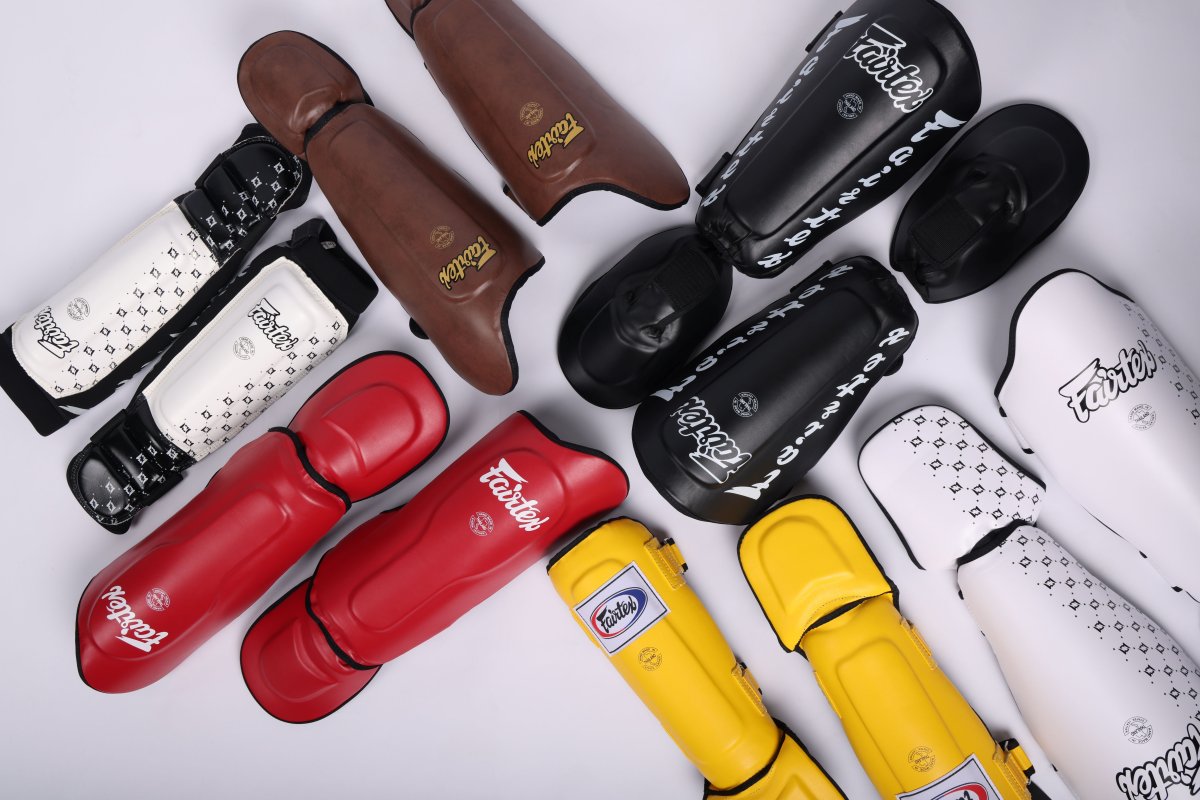
MMA shin guards aren’t simply lighter versions of Muay Thai gear. Muay Thai shin guards typically have thicker padding over the shin and instep, while MMA-style options are designed as a different kind of hybrid guard. The best Muay Thai shin guards depend on the training you do and the fit and padding you prefer.
That difference matters: a guard designed for one type of training may feel restrictive or offer less coverage in another. Compare how securely it stays in place, how much padding covers your shin and instep, and whether its design suits your sessions. This guide explains the practical differences between Muay Thai and MMA shin guards, how fit and padding affect your choice, and what beginners should consider. Use the comparison and decision guide to narrow your options.
Replace guards if any of those warning signs appear. They indicate that the padding, shell, fastening, or interior may no longer be performing as intended. For Muay Thai fighters training daily, the typical replacement interval is 18-24 months, but visible wear can make earlier replacement necessary. Don’t keep using guards with cracked shells or foam that has lost its shape.
For beginners, the basics are simple: choose guards that fit securely, clean them after sessions, and inspect them regularly. Consistent care helps maintain comfort, while condition checks can show when worn equipment needs replacing.
Padding thickness and impact protection
Padding thickness affects how force is distributed across the shin and instep. A practical benchmark is 2-3 cm of multi-layer foam for Muay Thai shin guards. Layers compress in sequence, helping absorb impact while keeping coverage over the contact area. Thickness alone isn’t enough: padding should cover the shin’s length and sit securely during movement.
Fit and stability affect how well the padding stays in place. If a guard shifts during a check or kick, its protective area may move away from the point of contact. Fasten the straps, bend your knees, and rehearse kicks before sparring. The guard should stay centered over your shin, with the instep padding aligned over your foot. Too much looseness reduces stability; excessive tightness can restrict movement.
Thick-padded beginner guards typically weigh 450-600 g per side. That added weight may feel substantial during footwork, so compare coverage and comfort alongside padding. Fighters who prioritize lighter movement should still assess how much of the shin and instep remains protected. A balanced choice suits the drills you actually perform, not just the number on a scale.
- Check coverage: Confirm padding spans the shin and reaches the instep.
- Test movement: Flex, step, and kick; watch for rotation or gaps.
- Assess layers: Look for multi-layer foam rather than judging protection by thickness alone.
Material construction matters over repeated use. In testing, single-layer PU foam guards lost roughly 30-40% of their original shock absorption after 8 weeks of daily sparring. Multi-layer foam guards retained over 80% of their protective capacity after 8 weeks of daily sparring. Those results highlight why foam structure deserves attention, especially for frequent training.
Consider padding, fit, and guard length together. A guard that covers your shin and instep, stays aligned as you move, and feels manageable during drills is more likely to suit your training.
What are the best Muay Thai shin guards in 2026?
The best Muay Thai shin guards in 2026 are the ones that match your training, cover your shin and instep, and stay secure during movement. Start with fit, then compare padding, weight, and strap design. Product names alone won’t tell you whether a guard suits your body or sessions.
Measure from knee to ankle and around your calf before choosing a size. Compare both measurements with the manufacturer’s size chart, since height alone doesn’t show how a guard will fit. Once fastened, the top edge should sit below your knee, while the instep section covers the top of your foot without restricting your ankle.
Secure fastening is important for sparring. Look for adjustable hook-and-loop straps at the calf and ankle. Fit the guard, then step, bend your knees, and simulate a kick. If it rotates or slides, adjust the straps. If it still moves, try a different size or shape.
- For regular Muay Thai sparring: Prioritize shin and instep coverage, stable fastening, and padding that stays aligned.
- For lighter movement: Compare the guard’s weight with its coverage, rather than choosing by weight alone.
- For mixed striking and grappling: Consider whether a hybrid style gives the movement your sessions require.
The right choice depends on your training, fit, and comfort. A lighter guard may feel easier during fast footwork, while a more substantial design may suit repeated striking drills. Test your stance and kick mechanics before deciding; weight or padding thickness alone doesn’t determine fit.
Narrow your options by measuring first, comparing coverage and fastening, then testing your movement. This makes it easier to find the best Muay Thai shin guards for your training without relying on a label or a single feature.
The best Muay Thai shin guards fit your measurements, cover your shin and instep, stay secure as you move, and suit your training. Compare padding, weight, and strap design, then test the fit with stance movement and kicks.
Fairtex: Shin Guards
Fairtex offers shin guards for Muay Thai training, giving you a direct next step after comparing fit, coverage, and padding. Explore the Muay Thai shin guard range to review the available options and decide which style aligns with your training needs.
You can build a coordinated training setup with Muay Thai gloves, Muay Thai shorts, or belly pads. Each serves a different part of practice, while shin guards protect the lower legs. Choose the equipment you need for your sessions rather than assuming every item is necessary for every workout.
Visit fairtex.com to explore Fairtex shin guards and related training equipment.
Make Your Next Training Choice
Your gear should support your training, not distract from it. Choose shin guards based on your drills, how they fit as you move, and the coverage you want. Reassess their stability and comfort as your sessions change. That helps you find the best Muay Thai shin guards for your training instead of chasing a universal pick.
Fairtex offers shin guards, Muay Thai gloves, and Muay Thai shorts for different parts of your training setup. Choose what suits your needs now and build from there.
Explore Fairtex training equipment and take your next step with confidence.
Frequently Asked Questions
How do I choose the right size for shin guards?
Measure from knee to ankle and around your calf, then compare both measurements with the size chart. Measure each leg separately if they differ noticeably, and use the larger measurement to avoid a restrictive fit. If you’re between sizes, consider how the guard sits over your training clothes and whether the straps secure it without pulling too tight.
Which Muay Thai shin guards are best for beginners, intermediate fighters, and advanced practitioners?
Your training demands and fit matter more than experience level alone. Beginners can prioritize coverage and a secure, comfortable fit while learning technique. Intermediate fighters can weigh those qualities against sparring frequency and preferred movement. Advanced practitioners may value a familiar fit that suits their specific routine. At every level, choose guards that stay aligned during practice.
How should Muay Thai shin guards fit, and how do you choose the right size?
A well-fitting guard covers the shin and instep without digging into your knee or ankle. After fastening it, walk, bend your knees, and throw controlled kicks. Check whether it rotates, leaves a gap, or restricts your ankle. Use the size chart alongside your shin and calf measurements: a guard that feels secure while standing may shift when you move.
What materials and features matter most when buying Muay Thai shin guards?
Prioritize padding that covers the shin and instep, adjustable straps that fasten securely, and a shell that holds its shape as you move. Check stitching at high-stress seams and inspect the lining and closures for rough edges or weak attachment points. Material names alone don’t establish fit or protection, so compare construction and test how the guard moves with your leg.
Are Muay Thai shin guards different from MMA or kickboxing shin guards?
Muay Thai guards typically have thicker padding over the shin and instep than MMA guards, making them suitable for repeated striking practice. MMA-style hybrids can suit sessions that combine striking and grappling. Kickboxing designs vary, so compare shin and foot coverage rather than relying on the sport label. For sparring, match the guard to your training and your gym’s rules.