
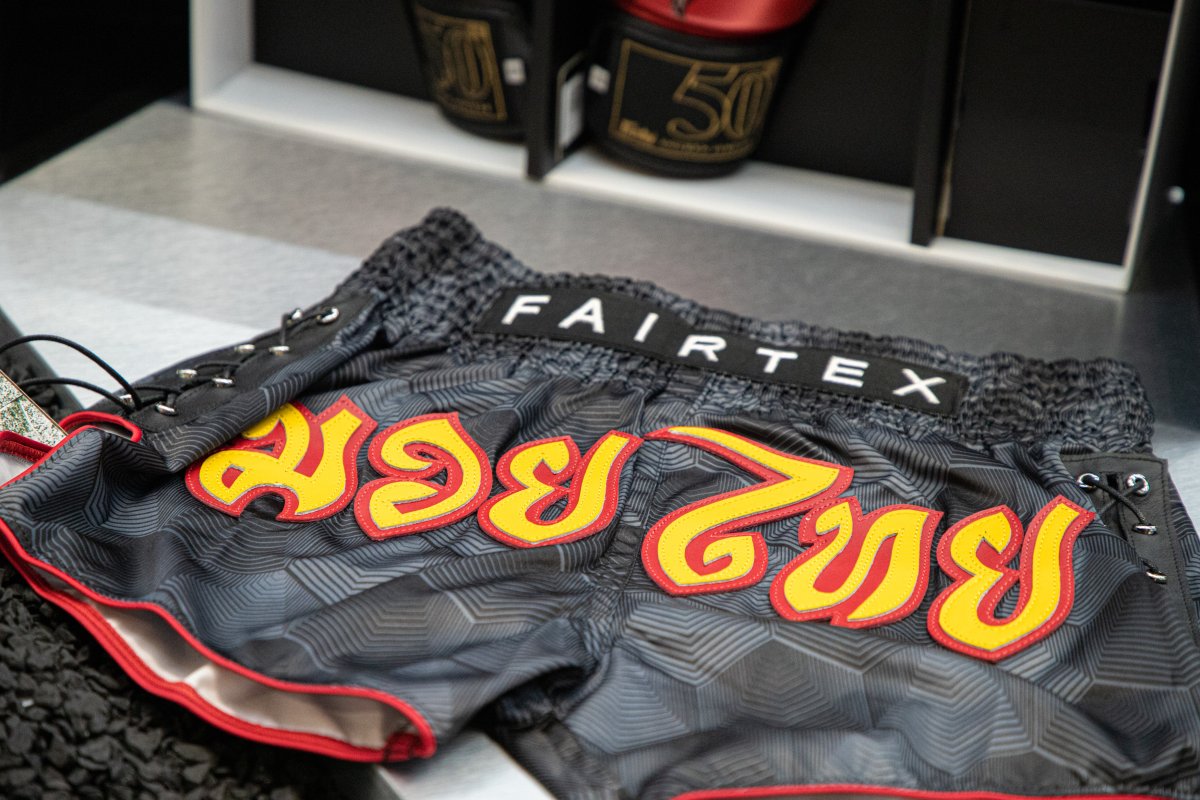
The shortest cut isn’t automatically the best choice: fight shorts should match your sport, movement and preferred fit. Common options include 5-inch and 7-inch inseams, while Muay Thai shorts use a different cut from many MMA and grappling styles. The right pair should move with you without excess fabric getting in the way.
That distinction matters when choosing between compression and roomier shorts, or deciding whether a Muay Thai cut suits your training. A close fit can feel supportive, but shorts that dig into the waistband or leg seams can become uncomfortable. An oversized pair may slip.
This guide explains how shorts vary across MMA, boxing, Muay Thai, no-gi grappling and kickboxing. You’ll learn what to consider in fabric, seams, length and waistband design, then compare compression and Muay Thai options so you can choose a style that fits your training.
Table of Contents
Fight shorts for MMA, boxing, Muay Thai, no-gi grappling, and kickboxing
Event rules vary by organization, so check the event rulebook to determine which shorts are permitted. For training, choose fight shorts based on your sport, movement, and contact level, then compare length, seams, and closures before buying.
Shorts Across Combat Sports
MMA and kickboxing combine striking with movement, so check that the shorts allow high kicks, pivots, and level changes. Common inseam options for fight shorts are 5 inches and 7 inches, offering different coverage and mobility. Boxing trunks generally prioritize a secure waist and unrestricted footwork, while Muay Thai shorts are cut for kicks and knees.
For Muay Thai, avoid an oversized fit that can restrict movement or catch during a hold. Judge men’s styles by their actual waist and leg fit, not just the label. Test the fit while standing, squatting, and lifting each knee.
Striking and Grappling Shorts
Striking shorts need to stay in place through punches, kicks, and repeated stance changes. In no-gi grappling, fabric gets pulled and compressed during scrambles, so a secure waist and smooth exterior matter. Grappling shorts are designed without pockets or zippers because fingers can catch in them and cause injury during contact.
For training that combines striking and grappling, prioritize a stable fit that won’t bunch during a sprawl or ride up during a kick. Avoid heavy padding in MMA shorts: added bulk can reduce mobility and make it harder to escape a hold. Choose fight shorts that allow free movement during both types of drills.
Gladiator and Grappling Shorts
Gladiator-cut shorts typically reach mid-thigh and have side slits to allow leg and knee movement. Split seams can maintain coverage while allowing a range of motion similar to a shorter cut. These details matter for round kicks, sprawls, and deep steps, when restrictive fabric can interrupt movement.
Keep the hem above the knee: excess length can restrict movement and provide more fabric to grab. Shorts that are too small can ride up, bunch, feel uncomfortable, or tear during training. Reinforced or double-stitched seams can help shorts withstand stretching and grabbing, especially during repeated grappling exchanges.
Lightweight, abrasion-resistant fabric
Fabric affects how fight shorts handle sweat, friction, and movement. Compare material properties with the demands of your training.
Material and Fabric Properties
Polyester is durable, breathable, and moisture-wicking, though flexibility depends on its construction. Nylon can offer a lightweight, flexible option, though its performance depends on the fabric and construction. Spandex and Lycra offer flexibility and shape retention, though some blends can retain moisture and cling to the body. Microfiber wicks moisture but may feel less smooth against the skin.
Stretch Fabric and Gussets
Four-way stretch fabric moves in multiple directions, which can help with kicks, sprawls, and deep squats. Check that it stretches without pulling tightly across your hips or thighs. A gusset is a shaped fabric panel at the crotch, where leg movement can strain a flat seam. In fight shorts, stretch construction and a gusset can support a fuller range of motion.
Breathable, Quick-Dry Fabric
Breathable fabric lets heat escape during rounds, while moisture-wicking construction moves sweat away from the skin. These properties can help reduce chafing or irritation caused by sweat buildup. Quick-drying performance can also matter between a sweaty session and washing, but the fabric blend and construction affect how shorts feel. Compare the stated material properties rather than assuming all synthetic fabrics perform alike.
Choosing Fight-Short Fabric
Start with the contact involved in your training. For frequent mat work, prioritize abrasion resistance; polyester can be a practical option over nylon when durability is the main concern. For kicks and dynamic transitions, compare stretch and check that the gusset allows comfortable movement. If sweat buildup irritates your skin, look for moisture-wicking fabric. For long sessions, consider how the fabric feels after you sweat, not just when it’s dry.
Use those priorities to narrow your choice by material and construction, not appearance alone. If you’re comparing cuts alongside fabric, explore fight-short styles as part of your selection.
Moisture-wicking fabric can help reduce chafing or irritation caused by sweat buildup, making it a useful property to consider when comparing fight shorts.
Board, elastic-waist, hybrid, and 2-in-1 shorts
Waist construction and layering affect how shorts stay in place during movement. Compare board, elastic-waist, hybrid, and 2-in-1 designs against your training.
Board-Style Shorts
Board-style shorts borrow a longer, more structured silhouette from surfwear. That style may suit casual gym sessions, but check the leg length and closure before training. Extra length can catch during transitions, while a stiff waistband may feel restrictive during kicks or deep squats. Try a lunge and a high knee to see whether the cut allows free movement.
Elastic-Waist Shorts
An elastic waistband helps shorts stay secure as your stance changes. Elastic-waist designs are often preferred for combat-sport training because they’re less likely to slip or bunch during holds and movement. Check the fit as you pivot, sprawl, and return to stance. A drawcord can help adjust the waist, but excessive tightness may dig in during repeated movement.
Hybrid Shorts
Hybrid designs combine features from different short styles, such as a board-short appearance with a waistband intended for training. The term doesn’t guarantee a particular construction, so inspect the cut, closure, and fabric. A longer outer layer, for example, may look streamlined but still interfere with a high kick if it restricts your thigh.
2-In-1 Shorts
A 2-in-1 design pairs an outer short with a close-fitting inner layer. The inner layer can provide coverage and reduce fabric movement beneath the outer shell, while the two layers may feel warmer than a single layer. Test a squat and a forward sprawl: the liner should stay smooth, and the outer fabric shouldn’t pull against it.
Match the Construction to Training
Choose based on movement, not the label. For grappling rounds, prioritize a secure waist that won’t bunch under pressure; for striking, check the leg opening during kicks and pivots. If you switch between both, test those movements in the same pair before deciding. A stable waist and unrestricted legs matter more than a board-inspired look or extra layers.
Compression and Muay Thai shorts
Compression and Muay Thai styles address different fit preferences. Compression shorts sit close to the body, while Muay Thai shorts have a roomier cut for striking movement. Choose based on your training, then test the waistband, leg openings, and fabric during kicks, squats, and sprawls.
Compression Fit: Close, Not Restrictive
Compression shorts should fit close without digging into the waistband or leg seams. If the fabric pulls painfully when you squat, the fit is too tight for comfortable movement. Oversized compression shorts may feel less supportive and slip during training. Check the waist and leg openings while standing, then repeat the test in a deep squat and forward lunge.
Muay Thai Cut: Room for Striking
Muay Thai shorts are designed for kicks, knees, and quick stance changes. The cut should let each leg lift freely without excess fabric catching during movement. Oversized shorts can restrict movement or tear if they catch during a hold or technique. Test a high knee and round kick, watching for fabric that pulls across the hips or gathers at the leg opening.
Choose for the Session
For striking-only practice, a Muay Thai cut gives your legs room to move. Compression shorts offer a closer fit. In mixed sessions, decide whether unrestricted kicking or close-fitting coverage matters more, then test both types of movement in your chosen pair. Don’t assume one style works equally well for every drill.
Care matters after training, too. Wash the shorts promptly and follow their care instructions to help extend their life. For a striking-focused cut, explore Muay Thai shorts and compare the fit with your movement needs.
Fairtex: Shin Guards
Fairtex offers Muay Thai shorts and complementary training equipment. Choose shorts based on your movement needs, then consider shin guards for kick training or Muay Thai gloves for striking practice. Belly pads support partner drills, while a head guard is another protective gear option for training.
Keep the choice practical: match each item to your session instead of adding gear you won’t use. If you’re building a Muay Thai setup, compare your shorts with the demands of your drills and the equipment you already use. Explore Fairtex gear at fairtex.com.
Make Your Next Training Choice Count
Choose a pair that supports the way you train now and suits the direction your practice may take. Picture the session where you’ll wear the shorts most: drilling combinations, working with a partner, or switching between striking and grappling. A clear use case makes it easier to choose a cut you’ll wear consistently.
Fairtex offers Muay Thai shorts, gloves, and shin guards to support striking practice. Choose equipment that suits your session and priorities, not just a look or trend. Make your next training choice with purpose.
Explore fight shorts and find a style for your training. Step onto the mat ready to move with confidence.
Frequently Asked Questions
What types of fight shorts are available for MMA, boxing, Muay Thai, and grappling?
Styles include MMA shorts, boxing trunks, Muay Thai shorts, and grappling shorts, each suited to different movements. For no-gi grappling, choose shorts designed for mat rounds and check that they fit comfortably with your rash guard. If one pair of fight shorts will serve mixed sessions, consider which sport dominates your training and test the cut during both striking and groundwork.
How should shorts fit, and how do you choose the right size?
Choose a fit that stays in place without pinching or limiting movement. Measure your waist where the waistband will sit, then compare it with the size chart for the specific pair. Try the shorts with your usual training base layer and test a squat, lunge, and sprawl. If the waistband shifts or the fabric pulls, try another size or cut.
What materials and features make fight shorts durable and comfortable?
Polyester offers durability, breathability, and moisture-wicking properties; nylon is lightweight, strong, and flexible. Compare the fabric blend with your training conditions, since stretch and feel depend on construction. Reinforced stitching can help withstand repeated strain. For fight shorts worn during sweaty sessions, follow the garment’s care instructions and wash them promptly after training to help preserve the fabric.
What safety or injury risks can poorly fitting shorts cause?
Poorly fitting shorts can interfere with movement or create snag points during contact. Excess fabric may catch during transitions, while a tight fit can bunch or restrict movement. Pockets can trap fingers, and zippers may create an injury risk or be prohibited in some training settings. Before sparring, inspect the closures and exterior, then test your full range of motion.
How much do fight shorts cost in the United States?
In the United States, fight shorts typically range from $30 to $90 depending on the brand, materials, and specialized design. Entry-level options from trusted brands like Fairtex offer reliable durability for daily training, while premium models featuring specialized moisture-wicking fabrics and reinforced stitching generally sit at the higher end of that price spectrum.