
Traditional Muay Thai shorts are more than a uniform. They are a precisely engineered tool built for unrestricted power and explosive movement. You've likely felt the friction of low-quality gear that catches during a knee or lacks the structural integrity of authentic Thai craftsmanship. It's a common struggle for fighters who value both performance and heritage but find themselves lost in a sea of generic kickboxing apparel. This article bridges that gap. You will learn to identify high-quality construction, understand the functional advantages of the traditional "retro" cut, and appreciate the legacy behind the designs.
This guide promises to clarify the confusion between MMA and Muay Thai gear while highlighting the technical specifications that define a professional standard. We'll examine the architecture of premium satin, the importance of the eight-row elastic waistband, and the specific regulations set by governing bodies like the World Muaythai Council. From the spiritual significance of the designs to the durability required for peak performance, you'll gain a complete understanding of why authentic equipment is essential for anyone serious about the Art of Eight Limbs.
What Defines Traditional Muay Thai Shorts?
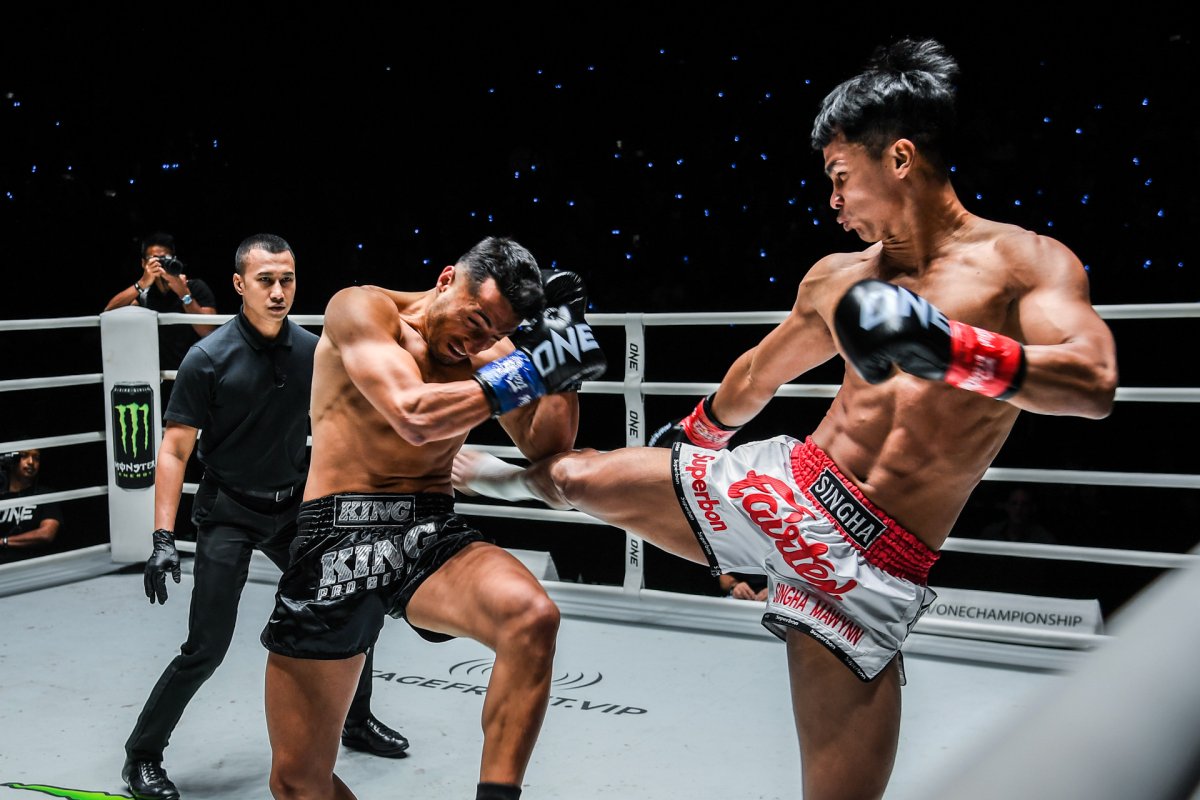
Traditional Muay Thai shorts serve as the definitive cultural and functional uniform of the Art of Eight Limbs. While they are visually striking, every design element serves a mechanical purpose. These shorts are characterized by a high-cut leg, flared openings, and a thick, gathered waistband. This specific architecture provides zero resistance during explosive teeps, high kicks, and knee strikes. Unlike standard boxing trunks that often reach the knee, Muay Thai apparel stops mid-thigh. This prevents fabric from catching on the thighs during the rapid hip rotation required for a Thai roundhouse.
Professional construction relies on a heavy-duty waistband, typically featuring eight rows of elastic. This creates a secure, non-slip fit that stabilizes the core without restricting deep diaphragmatic breathing. The wide leg circumference is essential. It allows the fighter to move through the full range of motion without the material tension found in generic athletic wear. Every stitch is a result of decades of ring testing.
The Cultural Significance of the Design
The aesthetic has evolved significantly throughout the history of Muay Thai. Early practitioners relied on simple cotton wraps, but modern gear utilizes premium satin and nylon for durability. Vibrant colors and intricate embroidery represent more than personal style. They signify a fighter's gym, their lineage, and their respect for Thai heritage. Intricate side patches often display the gym name or symbols of protection, rooting the athlete in a deep martial tradition. For those who appreciate how clothing reflects cultural identity, you can explore E-commerce sales of urban apparel and accessories that bring a similar focus on authenticity to modern streetwear.
Traditional vs. Kickboxing Shorts
Distinguishing between styles is vital for both performance and etiquette. European kickboxing shorts are typically longer and narrower, designed for a different mechanical rhythm. True traditional muay thai shorts prioritize the "retro" cut. This style features a shorter inseam and a wider silhouette, mirroring the gear worn during the sport's golden era. Traditionalists prefer this cut because it offers the most authentic feel and maximum mobility for the clinch and high-impact striking.
The Anatomy of Authentic Thai Boxing Apparel
Authentic gear is defined by its engineering. The structural build of traditional muay thai shorts dictates how a fighter moves, breathes, and strikes. While modern fitness apparel focuses on generic aesthetics, Thai boxing gear prioritizes mechanical advantages. Every component, from the fabric weight to the stitching method, serves the athlete during high-intensity combat. It is a balance of rugged durability and explosive freedom. This focus on technical precision is a hallmark of quality across many fields; for instance, the engineering of aluminum and fire-resistant structures by realized.hu provides the same level of structural reliability for high-rise developments.
Material Science: Why Satin Matters
Satin remains the gold standard for a reason. It is heavy enough to maintain its silhouette during rapid movement but light enough to stay out of the way. Unlike cheap nylon or modern compression fabrics, premium satin doesn't cling to the skin when saturated with sweat. It maintains its structural integrity under duress. Practitioners value the distinct "snap" sound produced by high-quality satin during a high-velocity kick. This auditory feedback is a hallmark of the material's density and the fighter's technique.
Waistband Engineering and Fit
The waistband is the anchor of the garment. Professional-grade shorts typically feature an 8-row elastic system. This creates a secure, non-slip fit that provides essential core stability during heavy clinching. It ensures the gear stays in place even when an opponent is active in the tie-up. If you're a beginner looking to build a foundation of reliable equipment, starting with Muay Thai Starter Packs ensures you have this technical support from your first session.
Traditional vs. Modern Cuts: Choosing Your Silhouette
Choosing a silhouette is a strategic decision. It balances personal style with the mechanical requirements of traditional muay thai shorts. While the core function remains the same, the specific cut of the garment can change how you feel and move in the ring. Modern manufacturing has introduced variations that cater to different aesthetic preferences while respecting the sport's functional roots.
The "Retro" cut represents the purest form of the craft. It's defined by an extremely short inseam and exaggerated, wide leg openings. This isn't a stylistic vanity. It's a mechanical necessity. Professional nak muays stick to this high-cut design because it offers the least amount of resistance. It ensures the fabric never catches on the quadriceps during a high-velocity roundhouse or a deep clinch knee. It's built for the explosive nature of the sport's highest levels.
Modern slim-fit designs offer a slightly longer, tapered profile. These provide a more contemporary look that fits closer to the thigh. While these are popular in Western gyms, they still utilize the wide-leg opening to maintain essential mobility. Beginners often worry the shorts are too short. In Thai culture, the "rolled waistband" is a common practice. Fighters roll the top of the shorts down to show off leg development and gain even more clearance for their strikes. It's the mark of a serious practitioner who values function over modesty.
When to Choose a Traditional Cut
Use the traditional cut for high-volume kicking sessions. It's the standard for professional competition where range of motion is the difference between landing a head kick and being countered. In traditional Thai gyms, wearing authentic gear shows respect for the lineage of the sport. It signals that you take your training and the culture behind it seriously.
Hybrid and MMA Influences
Modern combat sports have introduced hybrid designs. While Fairtex Fight Shorts are excellent for cross-training and grappling, they differ from the specific architecture of Thai apparel. They use different stretch panels and lengths better suited for the cage. For dedicated striking, the Thai silhouette remains the undisputed leader. Find the right balance of heritage and performance in our Muay Thai shorts collection.
Preserving Heritage: The Fairtex Legacy in Apparel
Customization and the Modern Fighter
Personal expression is part of the sport's identity. Our Custom Corner allows you to build a personalized base without sacrificing the traditional "retro" cut. For complete protection during live drills, pair your custom apparel with professional-grade Muay Thai Shin Guards. Consistency in gear quality leads to consistency in performance. While individual fighters can utilize specialized custom options for their ring wear, gyms and teams often partner with RAW Merch for comprehensive custom clothing and merchandise printing to ensure their team identity is represented professionally.
Maintenance for Longevity
Air dry them away from direct sunlight to preserve the fabric's "snap" and color vibrancy. For a comprehensive look at protecting your entire kit, read our guide on how to clean Muay Thai shin guards. Proper hygiene extends the life of your investment, much like how collectors explore Per-card professional grading and encapsulation fees to safeguard the value of their sports trading cards.
Invest in gear that respects the history of the sport. Wear the legacy.
Master the Art With Professional Engineering
Authentic gear is the foundation of effective training. Every design choice in traditional muay thai shorts, from the deep side splits to the eight-row elastic waistband, serves to unlock your full striking potential. You now understand that the high-cut silhouette isn't just a stylistic preference. It is a functional requirement for the explosive hip rotation and vertical knee strikes that define the Art of Eight Limbs. By prioritizing the "retro" cut, you ensure that your movement remains unrestricted during the most critical moments of a bout. This pursuit of peak performance through specialized gear extends to other disciplines as well; to explore how this philosophy applies to trail running in Southeast Asia, you can visit KITAthletic for expert insights into Indonesia's movement community. Just as the right cut of shorts ensures unrestricted movement, proper nutrition ensures your body has the energy to perform at its peak. For a natural way to fuel your training with authentic regional flavors, you can explore Seasonal Filipino Fruits and discover the best of Southeast Asian produce.
Fairtex has remained at the global forefront of this evolution since 1971. Our apparel is hand-made in Thailand using premium satin construction, ensuring maximum durability under the most grueling conditions. This is the same gear trusted by elite champions at the Fairtex Training Center to sharpen their skills daily. When you choose authentic equipment, you are investing in a legacy of performance and cultural pride that generic brands simply cannot replicate.
Take your training to the next level with equipment built for the world's toughest fighters. Shop Authentic Fairtex Muay Thai Shorts and experience the perfect intersection of heritage and high-performance design. Honor the tradition and dominate the ring.
Frequently Asked Questions
Why are traditional Muay Thai shorts so short?
The short cut prevents fabric from bunching against the quads during roundhouse kicks, keeping a fighter's full range of motion clear of resistance — a mechanical requirement for both speed and power.
What is the best material for Muay Thai shorts?
Premium satin is the industry standard. It's lightweight, holds its shape under heavy use, and won't cling to skin when soaked with sweat, plus it gives the signature "snap" sound fighters use as striking feedback.
Can I wear Muay Thai shorts for MMA or kickboxing?
Yes for kickboxing, where the high-cut leg helps mobility. Less ideal for MMA grappling, since wide leg openings and satin can catch fingers or toes on the ground. Most fighters switch to dedicated fight shorts for wrestling or BJJ.
How should Muay Thai shorts fit?
Secure at the waist and flared at the leg. An 8-row elastic waistband keeps them from shifting during clinch work or knees, while wide leg openings allow full hip movement without fabric pulling. If a kick feels restricted, size up.
Why do Thai fighters roll up their waistbands?
Rolling the waistband is a tradition used to customize the length and increase mobility. It shortens the inseam further, ensuring zero fabric interference during high-volume kicking. Culturally, it also serves to showcase a fighter's leg development and conditioning. This practice allows nak muays to adapt their traditional muay thai shorts to their specific body type and movement style during intense training sessions.