
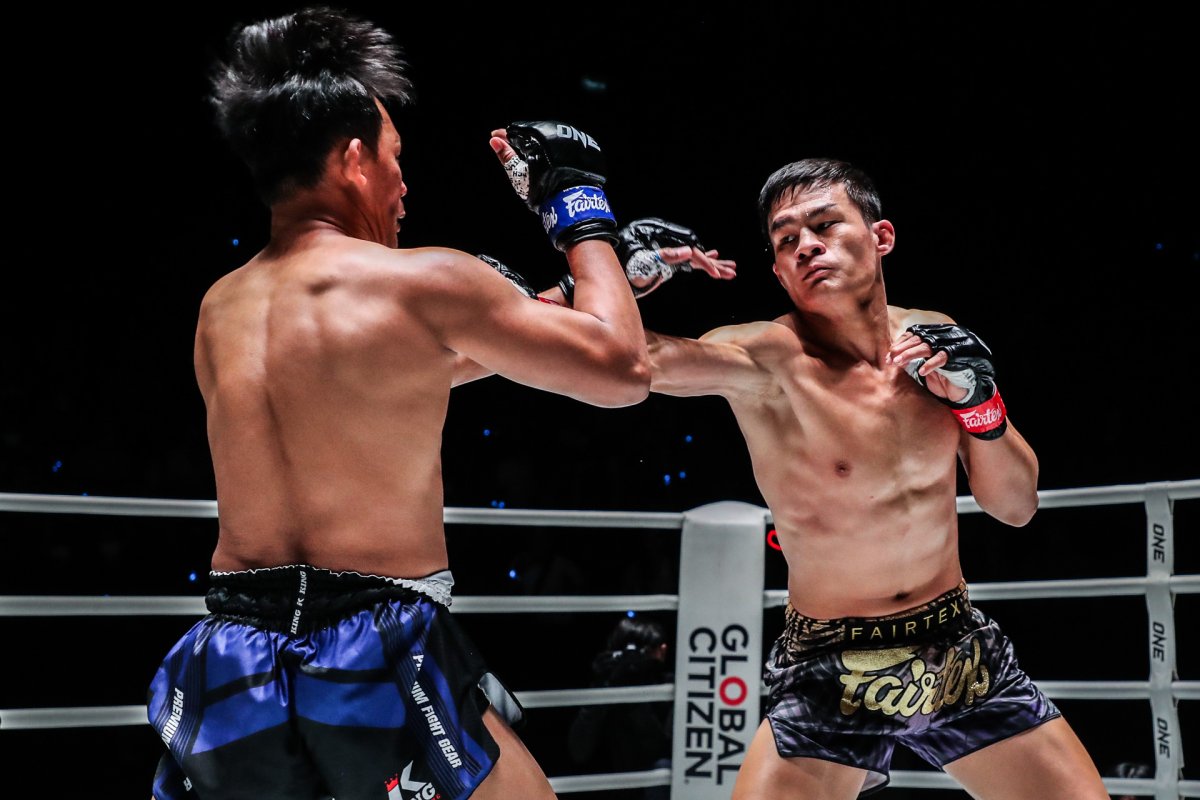
The first step toward confident sparring isn’t hitting harder. It’s making the session feel controllable. If you’re worried about getting hurt, losing control of the pace, or looking inexperienced, you’re not alone. The essential muay thai Sparring Gear can help you feel prepared, but protection isn’t a guarantee against injury, and equipment alone can’t set the intensity.
Start with properly fitted gloves and shin guards, then follow your gym’s requirements for other protective equipment, including headgear and a mouthguard. Fairtex has made Muay Thai equipment since 1971, with protective gear designed for training needs. In this guide, you’ll learn what each key piece contributes, what it can’t prevent, and how to build confidence through a gradual approach. We’ll cover practical steps for preparing for your first or next session, setting clear limits with your partner, and pausing if the pace feels wrong. You don’t need to prove yourself by pushing past your boundaries.
Essential Muay Thai Sparring Gear: What It Can, and Cannot, Do for Confidence
Nerves before sparring are normal. You don’t need to feel fearless to learn; you need a manageable first step and a setup that meets the session’s demands. The essential muay thai sparring gear is protection chosen for contact, fit, gym rules, and intensity, not a promise that nothing will go wrong. Because Muay Thai uses punches, kicks, knees, and elbows, the right setup depends on what the coach plans for the round.
Protective gear can reduce some risks; a controlled, respectful sparring environment is what makes practice manageable.
Which gear belongs in a basic Muay Thai sparring setup?
Start with well-fitted gloves and shin guards. Gear that shifts, pinches, or distracts can make it harder to focus, so check the fit before the round begins. Head protection may also be required by your gym. Mouthguards and hand wraps are common session needs; follow your coach’s requirements for the specific sparring format. Fairtex protective gear includes Muay Thai gloves and shin guards as part of a considered training setup.
Can the right gear make sparring feel less intimidating?
Familiar, correctly fitted equipment can remove some unknowns: you know your hands and shins are covered, and you’re not adjusting gear mid-round. That can help you focus, but it won’t erase fear or prevent every injury. Confidence also depends on a coach who sets expectations and a partner who respects the agreed pace. Tell them if you’re new, agree to keep contact light, and speak up if the intensity changes.
Why Sparring Fear Happens, and How Gear Fits Into the Picture
Sparring brings unfamiliar contact, a pace that can change quickly, and the possibility of getting hurt. You may also worry about seeming inexperienced or letting your partner down. Those concerns are understandable. A little apprehension can be part of trying something new; feeling pressured to continue, unable to speak up, or genuinely unsafe is different. You’re allowed to pause or decline a round.
Gear can help you feel ready when it fits well and you know how it feels in motion. But confidence also depends on what happens between partners. Protective equipment supports preparation, while control and consent shape sparring.
What should beginners clarify before their first sparring round?
Before you step in, tell the coach it’s your first round and ask what contact level to expect. Agree with your partner on a simple pause signal, such as saying “stop” or tapping a glove, and reset if either of you uses it. You can also choose a technique drill or watch a round first. Progress doesn’t require rushing into contact.
Does wearing more protective gear always mean sparring is safe?
No. More equipment doesn’t guarantee a safe round. Protection should match your gym’s rules and the session format, but supervision, a suitable partner, and a controlled pace matter just as much. If your limits aren’t respected, stop and bring it to the coach. For a considered setup, explore Fairtex Muay Thai protective gear.
How to Build Sparring Confidence: A Gradual First-Session Plan
Build up in stages, not by forcing yourself into a hard round. Your coach can help match each step to your experience and set the pace and contact level. The essential muay thai sparring gear supports readiness, but the goal is to add skills and contact only when you’re prepared.
What are manageable steps before live sparring?
Use a progression that lets you get familiar with movement before adding pressure:
- Watch a round to see how partners manage distance and pace.
- Work pad combinations, then partner drills with agreed movements.
- Practice defensive movement, such as checking or stepping away, before controlled contact.
- Try a light technical round with one learning goal, such as keeping your stance or focusing on defense.
Wear gloves and shin guards that fit and suit the session. If your gym requires head protection, include it; you can explore Fairtex Muay Thai head guards as part of your preparation.
When should you pause or step back from a round?
Pause if the contact gets harder than agreed, a boundary is ignored, or you feel overwhelmed. Tell your partner clearly, “Can we keep this light and technical? I’m focusing on defense today.” If that doesn’t reset the pace, step out and tell the coach promptly. Don’t silently endure unwanted contact.
Progress isn’t always about increasing intensity. Repeating a drill, observing another round, or staying with light technical work can build skill and trust. Let your coach know what feels manageable, then move forward when you’re ready.
Prepare Your Muay Thai Sparring Gear and Take the Next Step
Use this checklist before heading to the gym. The essential muay thai sparring gear depends on the session, so gym rules and your coach’s instructions take priority.
| Category | What to pack or check |
|---|---|
| Core protection | Muay Thai gloves and shin guards suited to the session. |
| Session-dependent items | Mouthguard and head protection if required; hand wraps if your gym expects them. |
| Gym-rule checks | Confirm required equipment, contact level, and any partner or drill instructions. |
| Training essentials | Water and comfortable training clothing. These support the session but aren’t protective gear. |
What should you pack for a controlled sparring session?
Pack the required protection, then test the fit before class. Move through your stance, guard, checks, and steps. Gloves or shin guards shouldn’t shift, distract, or restrict your movement. If head protection is part of your gym’s rules, include it. For broader equipment comparisons, a Muay Thai gear buyer’s guide can help you consider fit and training needs alongside this checklist.
How do you know you are ready to try a first round?
Readiness means you understand the round’s plan, have agreed on boundaries with your partner, and feel able to pause or step out. You don’t need to feel completely confident. Confidence grows through repeated, manageable experiences, and repeating a drill or observing another round can be a sound next step.
When you’re ready to prepare your setup, explore Fairtex Muay Thai protective gear.
Take Your Next Round One Step at a Time
You don’t need to eliminate nerves before you begin. Prepare with the essential muay thai sparring gear for your gym’s rules and session, then build confidence through controlled practice, clear limits, and communication with your coach and partner. Gloves, shin guards, and head protection can support readiness, but they can’t guarantee you won’t get hurt. A respectful pace and the ability to pause matter just as much.
Fairtex has a Muay Thai equipment heritage dating to 1971, with gloves, shin guards, and head guards for training. Choose gear that fits your needs, test your movement before the round, and remember that taking a smaller step is still progress.
Explore Fairtex Muay Thai protective gear, then step onto the mat at a pace that feels right. Confidence grows one considered round at a time.
Frequently Asked Questions
What essential gear do you need for Muay Thai sparring?
Most sparring setups include well-fitted Muay Thai gloves and shin guards, plus a mouthguard and any head protection required by the gym. Hand wraps are also commonly used under gloves. Requirements vary by coach, session, and gym, so follow the rules for your round. Gear should stay in place and let you move freely, rather than distract you during training.
Is it normal to be scared of sparring for the first time?
Yes, feeling nervous before your first sparring session is normal. Contact, changing pace, and uncertainty about what to expect can feel intimidating, especially if you’re worried about getting hurt or looking inexperienced. You don’t need to feel fearless to begin. Tell your coach how you’re feeling, ask what the round will involve, and agree on a pace that feels manageable.
Can protective gear prevent injuries during Muay Thai sparring?
No. Protective equipment can reduce some risks, but it can’t prevent every injury or make sparring risk-free. Well-fitted gloves, shin guards, and gym-required protection are part of preparation to reduce those risks and injury. A matched partner, agreed contact level, and respect for boundaries matter too. If the pace changes or something feels wrong, pause and tell your coach.
How can a beginner build confidence before sparring?
Build confidence in steps: observe a round, work pad combinations, practice partner drills and defensive movement, then try light technical sparring with your coach’s guidance. Use the essential muay thai sparring gear required for that session and set one simple goal, such as keeping your stance. Tell your partner you’re new, agree to keep contact light, and establish a clear way to pause.
Should beginners spar hard to get over their fear?
No. Hard sparring isn’t a requirement for overcoming fear, and pushing past your limits can make a first experience feel less manageable. Start with drills or light technical rounds, and increase contact only when you and your coach agree you’re ready. You can repeat an earlier step, observe, or stop a round. Progress means learning at a pace you can communicate and control.